


Healthy and strong hair: find out what your hair really needs
Is your hair falling out, breaking, losing its shine, or are you struggling with dandruff? When it comes to hair care, we often look for one miracle product, but the biggest difference comes from a well-designed routine tailored to your specific concern.
The condition of your hair is influenced by your scalp, diet, stress, hormonal changes, age, colouring, heat styling, and the way you care for your hair every day. That’s why we’ve created a simple guide to help you understand what to focus on and how to adjust your hair care routine.
1. Dandruff, itching and a sensitive scalp
If you’re struggling with dandruff, start with your scalp. Oiling your hair or applying a mask to the lengths alone usually won’t solve the problem.
What to do:
1. Wash your scalp regularly.
If you’re prone to dandruff, it’s not a good idea to stretch the time between washes too much. Sebum, sweat, dead skin cells and styling product residue can build up on the scalp. Wash your hair as often as needed, even every other day if your scalp becomes oily quickly.
2. Focus shampoo mainly on the roots.
Shampoo should primarily be applied to the scalp. The lengths are usually sufficiently cleansed by the foam that runs through them when rinsing.
3. Give the shampoo time to work.
If you’re using a targeted anti-dandruff shampoo, don’t rinse it off after just a few seconds. Follow the manufacturer’s instructions and leave it on briefly before rinsing.
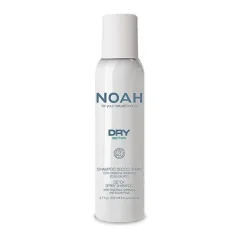
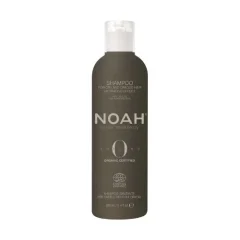
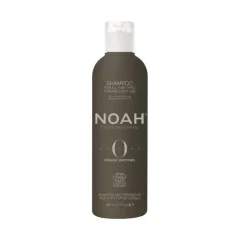
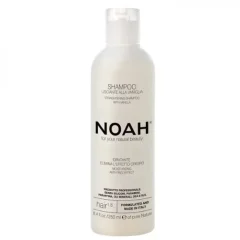
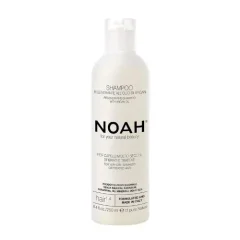
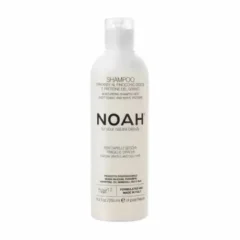
Depending on your scalp’s needs, you can try, for example, a Noah cleansing or soothing shampoo suitable for a scalp prone to dandruff.
4. Apply conditioner mainly to the lengths.
If your scalp becomes oily easily or you have dandruff, apply rich conditioners, masks and oils from the mid-lengths to the ends.
5. Don’t scratch your scalp with your nails.
Gently massage it with your fingertips while washing. Scratching too hard can irritate the scalp even more.
A simple routine for dandruff:
shampoo for a dandruff-prone scalp → conditioner on the lengths → gentle drying
Once your scalp improves, you can alternate the targeted shampoo with a gentle shampoo for regular washing as needed.
2. My hair is falling out even though my blood test results are normal
If you notice more hair in your brush or shower, your first step shouldn’t be buying five different serums. Start by creating a simple routine you can genuinely follow for several months.
What to do:
1. Track hair loss over time, not after a single wash.
You may notice more hair in the drain, for example, if you wash your hair less frequently. Focus instead on whether the situation is getting progressively worse over time.
A useful method is to take photos of your parting and hairline once a month in the same lighting.
2. Focus on regular scalp care.
Keep your scalp clean and don’t turn your hair routine into a ten-step process. One shampoo and one targeted product used consistently make more sense than constantly switching between new products.
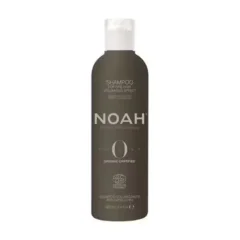
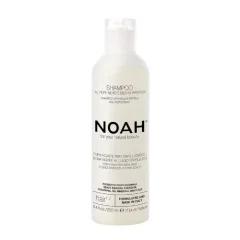
For a routine focused on hair loss, you can include, for example, a Noah strengthening shampoo that supports hair and scalp care or Hrotlife Chaga Shampoo.
3. Gently massage your scalp while washing.
A few minutes with your fingertips is enough. There’s no need to rub the scalp aggressively or use harsh massage tools.
4. Reduce unnecessary tension on your hair.
If you often wear very tight ponytails, buns or braids, alternate your hairstyles and regularly wear your hair loose.
5. Keep the hair growth cycle in mind.
New hair grows slowly. That’s why routines focused on growth or density should be evaluated over several months rather than just a few weeks.
3. Supporting hair growth and rosemary oil
If you want to support hair growth, you don’t need to try a new TikTok hack every week. Consistency is far more important.
Rosemary oil is one of the popular plant-based ingredients used in scalp care, and there is also a clinical study that examined its use in people with androgenetic hair loss. The results were only evaluated after several months.
How to add it to your routine:
1. Always dilute rosemary essential oil.
Do not apply it directly from the bottle to your scalp.
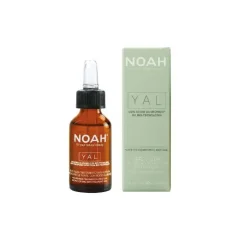
Mix it with a suitable carrier oil, such as Venoc jojoba or argan oil, according to the manufacturer’s recommended dilution.
2. Apply a small amount.
Your scalp doesn’t need to be completely saturated with oil. Distribute a few drops of the mixture along your partings and massage it in gently.
3. Use the oil treatment before washing.
Leave it on according to the recommendations for the specific product, then wash your scalp thoroughly with shampoo.
4. Start once or twice a week.
Daily oiling isn’t necessary. Long-term consistency is more important.
5. Don’t photograph the results every week.
When tracking hair growth, compare changes approximately once a month, ideally from the same angle and in the same lighting.
To support hair growth, remember the basics:
clean scalp + gentle handling + adequate nutrients + consistent routine + time
One oil cannot compensate for long-term inappropriate care, a highly restrictive diet or intensive mechanical damage to the hair.
4. My hair started falling out after weight loss, or I’m not sure whether I need vitamins
From the body’s point of view, hair is not essential for survival. A significant calorie deficit, rapid weight changes or insufficient intake of certain nutrients can therefore affect the hair growth cycle as well.
If you’re losing weight:
1. Don’t lose weight too quickly.
Severe calorie restriction can put significant stress on the body.
2. Make sure you get enough protein.
Hair is largely made of keratin, which is a protein. Make sure you regularly include sources of protein throughout the day.
These may include eggs, fish, meat, dairy products, legumes, tofu or other plant-based sources depending on your diet.
3. Don’t forget iron, zinc and other micronutrients.
A varied diet is more important for your hair than searching for one “hair superfood”.
4. If you want to take supplements, choose them deliberately.
More vitamins don’t automatically mean more hair. If you suspect a deficiency in iron, vitamin D, zinc or another nutrient, it’s better to check your actual levels than to combine several supplements blindly over the long term.
5. Give your hair time after significant weight loss.
Changes in the hair growth cycle can appear with a delay, and returning to normal also doesn’t happen immediately.
Practical foundations for supporting hair from within:
enough energy → enough protein → varied diet → address any deficiencies in a targeted way
5. Is my hair falling out, or is it actually breaking?
There is an important difference.
Hair loss means the hair leaves the hair follicle.
Hair breakage means the hair strand snaps somewhere along its length.
If you see lots of shorter hairs of different lengths, split ends, a rough texture, and your hair seems to be getting progressively shorter, breakage may be the main issue.
What to do about breakage:
1. Start using conditioner after every wash.
Apply it to the lengths and ends. It helps reduce friction between individual strands and makes detangling easier.
2. Add a mask once a week.
For dry, coloured or stressed hair, you can regularly use a repairing mask.
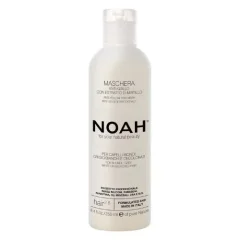
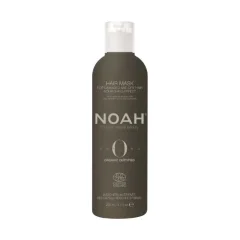
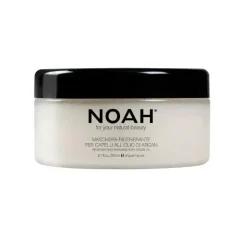
A suitable option may be, for example, Noah repairing mask with hyaluronic acid.
3. Detangle from the ends upwards.
Don’t start brushing at the roots and drag the brush through tangled lengths. Start with the ends and gradually work your way upwards.
4. Don’t rub wet hair with a towel.
Gently squeeze out excess water and wrap your hair in a soft towel.
5. Limit high temperatures.
If you blow-dry, straighten or curl your hair, use heat protection and lower the temperature whenever possible.
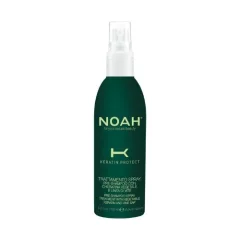
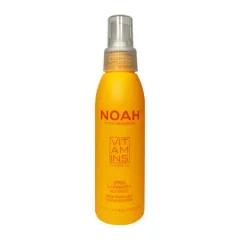
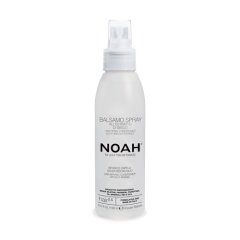
For heat protection, you can use a suitable Noah heat-protective hair care product.
6. Protect your ends.
You can apply a small amount of serum or oil, such as argan oil, to dry or damp lengths. A few drops are enough; there’s no need to make the hair greasy.
6. Coloured, bleached and chemically treated hair
Chemical colouring, bleaching and frequent styling change the structure of the hair fibre. This type of hair mainly needs protection from further damage and regular conditioning care.
What to do after colouring:
1. Use a shampoo designed for coloured or damaged hair.
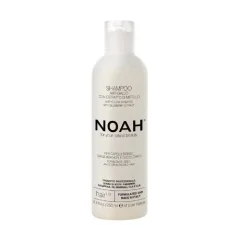
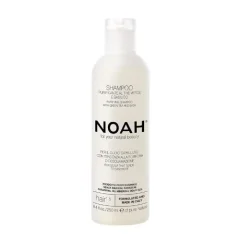
You can choose, for example, a Noah colour-protection shampoo.
2. Use conditioner after every wash.
Coloured hair tends to be more porous and loses moisture more easily. Conditioner is therefore not an unnecessary extra step, but a basic part of the routine.
3. Use more intensive care once a week.
For example, add a Noah repairing mask to your routine.
4. Don’t layer too many protein and repairing products unnecessarily.
Start with a simple routine: shampoo, conditioner, a mask once a week, and a protective serum or oil for the ends.
5. Always protect your hair from heat.
Use heat protection not only before straightening, but also before regular blow-drying at higher temperatures.
6. Protect coloured hair from the sun too.
UV radiation contributes to colour fading and drying of the hair fibre. In summer, a hat and hair care products with protective ingredients can help.
What about hard water?
If your hair remains dull, rough, stiff and difficult to detangle after washing, water with a higher mineral content may also play a role.
What you can try:
- use a clarifying shampoo from time to time
- rinse shampoo thoroughly
- always use conditioner after washing
- use a hydrating or repairing mask once a week
- apply a small amount of protective oil or serum to the ends
If you use a lot of styling products, dry shampoo or oils, more thorough cleansing may benefit your hair regardless of water hardness.
How long should you give your hair care routine a chance?
Not every product should be evaluated after the same amount of time.
Shampoo, conditioner and mask:
You can assess softness, easier detangling or reduced frizz after just a few uses.
Anti-dandruff care:
Monitor the progress over several weeks of regular use.
Care focused on hair loss and growth:
Expect to give it several months. The hair growth cycle is slow, and new hair needs time before it even becomes visible.
That’s why you shouldn’t unnecessarily change your routine every two weeks.
Choose one main concern, establish a simple routine and stick to it consistently. If you want to track your results more objectively, take a photo of your parting, hairline or hair lengths once a month in the same lighting.
When should you stop using a product?
A temporary increase in hair shedding has been described with some treatments that directly affect the hair growth cycle. However, with a regular shampoo, oil or cosmetic serum, a noticeable worsening shouldn’t automatically be interpreted as proof that the product has “started working”.
If a new product causes significant itching, burning, redness, scalp pain, severe new flaking or a noticeable increase in hair loss, stop using it.
If severe hair loss continues for several months, worsens rapidly, bald patches appear or the condition of your scalp changes significantly, it’s advisable to consult a dermatologist.
Healthier hair starts with a simple routine
You don’t need to use ten different products.
Start with your main concern:
Dandruff and itching: a suitable shampoo + gentle scalp care.
Hair loss: regular washing + targeted scalp care + time.
Supporting hair growth: healthy scalp + consistent routine + adequate nutrients.
Breakage and dry hair: conditioner + mask + protection for the lengths.
Coloured hair: gentle cleansing + repair + heat protection.
In our September selection, you’ll find hair care products from Noah, Venoc and Hrotlife, so you can build a routine based on what your hair needs right now.