





































Comprehensive health: immunity, hormonal balance and vitality
The human body functions as an interconnected whole. The immune system, digestion, hormonal health, mental resilience, sleep and daily energy all influence one another. When you take long-term care of one area, you often support other bodily processes as well.
A stronger foundation for health is created primarily by regular habits. These include a varied diet, enough protein and fibre, quality sleep, movement, exposure to daylight, care for digestion and sensible stress management. Herbs, medicinal mushrooms and dietary supplements can complement this routine appropriately.
In this guide, you will find practical tips for supporting immunity, the respiratory tract, the microbiome, energy and hormonal balance. Choose the steps you can maintain in your life over the long term. Consistency matters more to the body than short-term, overly intensive regimens.
Before you begin
Use dietary supplements and herbal preparations according to the recommended dosage. Natural origin alone does not guarantee that a product is suitable for everyone. Some herbs may affect the action of medicines or may not be suitable during pregnancy, breastfeeding or with certain health conditions.
If you take medication, have a chronic illness, are due to have surgery or are choosing products for a child, consult a doctor or pharmacist. The same caution applies when combining a larger number of supplements.
1. Daily support for immunity and the respiratory tract
The immune system is an extensive network of cells, tissues and organs. Its function is influenced by sleep, nutrition, mental strain, movement, age and overall health. A single supplement cannot replace a varied diet and a well-established long-term routine.
The mucous membranes of the nose, mouth and respiratory tract also form an important contact surface between the body and the surrounding environment. It is therefore worth taking care of their hydration and paying attention to indoor air quality.
Simple tips for every day
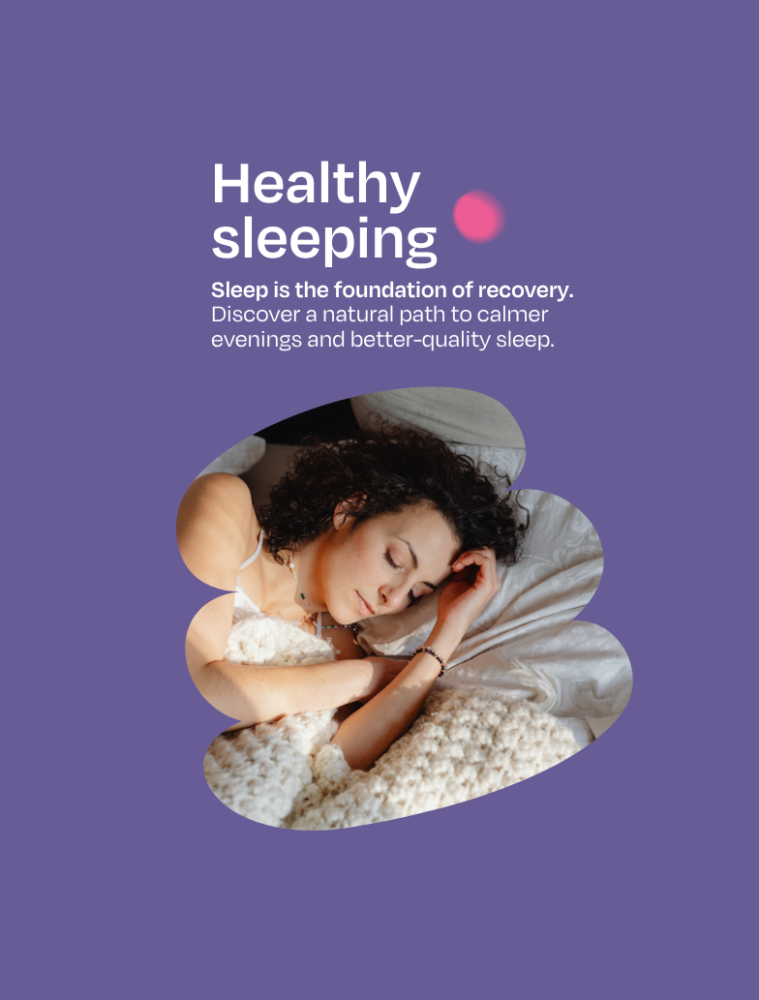
Get enough sleep: Most adults need at least 7 hours of quality sleep. A regular bedtime, dimmed light in the evening and limiting mobile phone use before sleep can help.
Go outside in the morning or before noon: Daylight helps synchronise the body clock. A short morning walk can support daytime alertness as well as natural evening sleepiness.
Eat regularly and choose a varied diet: Add a source of protein, vegetables or fruit and quality fats to every main meal. The body needs enough energy and micronutrients to cope with ordinary physical and mental demands.
Stay hydrated: Drink water, unsweetened teas or other unsweetened drinks throughout the day. When staying in a heated room, humidifying the air and airing the room regularly may also help.
Move appropriately: Regular walking, light strength training and time outdoors support fitness. When you are ill, have a fever or feel severely exhausted, prioritise rest.
Natural helpers and their place in your routine
Coriolus: A medicinal mushroom that naturally contains polysaccharides, including beta-glucans. It can be part of a long-term seasonal routine. Follow the recommended dosage of the specific product.
Reishi: A traditionally used medicinal mushroom that you can include in an evening routine focused on recovery and relaxation. If you take medication, especially medicines that affect blood clotting, consult a professional before use.
ChagaGlow: A tincture combining a medicinal mushroom with vitamins C, B6 and B12. It is suitable for periods of increased strain or fatigue as a complement to a varied diet.
Purple coneflower: Echinacea is traditionally used at the first signs of a seasonal cold and as a preventive measure. Use it rather short term and follow the manufacturer's instructions.
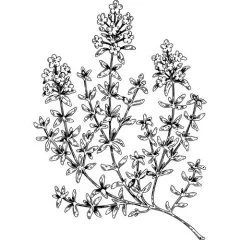
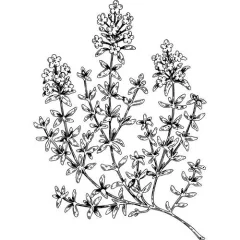
Ribwort plantain and common thyme: Traditional herbs used in tea blends to support comfort of the respiratory tract and throat. Thyme has a strong flavour, so you can combine it with plantain, linden or rosehips.
Iceland moss: It contains mucilaginous substances, which is why it is often used in teas, syrups and lozenges for a dry or irritated throat.
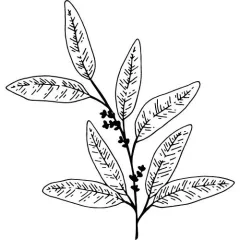
Eucalyptus essential oil: Use it in a diffuser only according to the recommended dosage and in a well-ventilated room. Never take it internally and keep it out of reach of children. Eucalyptus oil is not suitable for use with young children.
A simple daily routine
In the morning, drink a glass of water and go outside into daylight for at least a few minutes. Add a source of protein to breakfast, such as eggs, yoghurt, quark, tofu or a legume spread.
During the day, prepare thyme, plantain or rosehip tea. Air rooms regularly and do not forget a short walk.
In the evening, dim the lights, enjoy a warm shower and put your mobile phone away at least 30 minutes before bedtime. Depending on your needs, you can include reishi, lemon balm tea or a suitably chosen magnesium supplement in your evening routine.
2. The gut and microbiome
The gut is home to a vast community of microorganisms that participate in food processing and communicate with both the immune and nervous systems. The composition of the microbiome is influenced by diet, medication, age, stress, movement and sleep.
The basis of microbiome care is a varied diet containing a wide range of plant foods. Different types of gut bacteria use different types of fibre, so it makes sense to rotate vegetables, fruit, legumes, whole grains, seeds and nuts throughout the week.
Simple tips for healthy digestion
Increase your fibre intake gradually: The recommended amount for an adult is approximately 22 to 34 grams per day, depending on age and sex. If your fibre intake is low, increase it gradually and raise your fluid intake at the same time.
Vary your plant sources: Include legumes, oats, buckwheat, whole grains, root vegetables, leafy greens, fruit, nuts and seeds.
Try fermented foods: You can include plain yoghurt, kefir, sauerkraut, kimchi or fermented vegetables in your diet. Start with a small portion, especially if you have sensitive digestion.
Eat calmly: Chewing thoroughly and eating more slowly helps you notice fullness and may reduce the amount of air you swallow while eating.
Pay attention to regularity: Long-term bloating, pain, diarrhoea, constipation or blood in the stool are reasons to consult a doctor.
Natural helpers and their place in your routine
Vegan probiotic and synbiotic complex: Probiotics contain specific live microorganisms. Their properties depend on the strain used, and the results of one product cannot automatically be applied to another. Synbiotics combine probiotic cultures with substances that may serve as food for microorganisms.
Take the probiotic according to the instructions of the specific manufacturer. Taking it on an empty stomach is not a universal rule for all products.
Psyllium: A soluble fibre that binds water and may support regular bowel movements. Start with a smaller dose, mix it into a sufficient amount of liquid and then drink again. Never take psyllium dry.
Milk thistle: A traditionally used herb associated with liver care. Consider it part of a broader lifestyle that includes limiting alcohol, a varied diet, movement and maintaining an appropriate body weight.
A simple daily routine
Take the probiotic according to the information on the packaging. Add fruit, seeds or oats to breakfast. Include vegetables at lunch and legumes several times a week.
Use psyllium only with plenty of water and keep an appropriate interval from medication according to the advice of a doctor, pharmacist or manufacturer. Finish the day with a short walk, which may pleasantly support digestion after dinner.
3. Throat, nose and mouth
A scratchy throat, dry nasal mucosa or a feeling of mucus congestion may accompany a common cold, allergy, dry air or vocal strain. Early home care can relieve discomfort and help you monitor how symptoms develop.
If you have a high or persistent fever, difficulty breathing, severe pain when swallowing, swelling, a rash or your condition is worsening rapidly, contact a doctor.
Simple tips for relief
Gargling: You can gargle with lukewarm salt water or a cooled herbal infusion several times a day. Do not swallow the liquid.
Nasal care: Seawater helps moisturise the nasal mucosa. When rinsing your nose, always use a product and water intended for this purpose.
Enough fluids: Water and warm unsweetened drinks help moisten the mouth and throat. Very hot drinks may worsen irritation.
Voice rest: When your throat is irritated, speak less and use a calm voice. Prolonged whispering can strain the vocal cords similarly to speaking loudly.
Air the room: Dry, overheated air may increase the feeling of dryness in the nose and throat. Air rooms regularly and avoid keeping the bedroom too warm.
Natural helpers and their place in your routine
Sage: Traditionally used for gargling and oral care. Allow a stronger infusion to cool before use. Sage is not suitable for long-term internal use in high doses.
Mauritanian mallow: It contains mucilaginous substances that are suitable for tea blends when the throat feels dry and irritated.
Chamomile: You can use it as a mild tea or a cooled infusion for gargling. If you are allergic to plants from the daisy family, use it with caution.
Eucalyptus and Tea Tree Liquid Soap: Regular and thorough handwashing helps limit the transfer of dirt and microorganisms. Apply the soap to wet hands, wash between the fingers as well and then rinse your hands thoroughly.
4. Stress, energy and sleep in balance
Long-term stress can affect sleep quality, digestion, mood, appetite and the menstrual cycle. The body needs activity during the day and enough cues in the evening to help it gradually transition into a restful state.
The goal is not to eliminate every stressful situation. It is more practical to create regular space for recovery and not allow tension to become the only state in which the body functions.
Simple tips for mental resilience
Keep caffeine to the first part of the day: Coffee, energy drinks and strong tea can affect falling asleep in more sensitive people. Observe your own response and avoid your last caffeinated drink for several hours before bedtime.
Try box breathing: Inhale through your nose for four seconds, hold your breath for four seconds, exhale for four seconds and then wait another four seconds. Repeat for several rounds.
Move regularly: Alternate walking, strength training, yoga or another type of movement suited to your fitness level. Regular movement supports muscles, bones and overall resilience.
Protect your evening calm: Simplify the last part of the day. Dim the lights, limit work communication and prepare things for the morning so you do not have to deal with more decisions before sleep.
Natural helpers and their place in your routine
Magnesium: Magnesium contributes to the proper functioning of the muscles and nervous system. Bisglycinate is often popular for its good tolerability, while L-threonate has a different composition. When choosing, pay particular attention to the amount of elemental magnesium, the recommended daily dose and your own tolerance.
Lemon balm: A gentle herb suitable for evening tea or herbal blends. It can become part of a regular bedtime ritual.
Rhodiola rosea: An adaptogenic herb used mainly during periods of mental and physical strain. Morning or late-morning use is generally more suitable because it may make falling asleep more difficult in sensitive people if taken later in the day. There is limited information about its safety during pregnancy and breastfeeding.
A simple daily routine
Expose yourself to daylight in the morning and take a short walk before noon. Combine caffeine with food and enough water.
During the day, take several short breaks to stretch or breathe slowly a few times. In the evening, prepare lemon balm tea, dim the lights and try to go to bed at a similar time.
5. Family immunity: children and mothers
Care for children and for pregnant and breastfeeding women requires more careful selection of herbs, supplements and essential oils. An adult dosage cannot automatically be transferred to a child. Always follow the age restriction and the manufacturer's recommendation.
The basis of family prevention is regular age-appropriate sleep, a varied diet, time outdoors, ventilation, hand hygiene and enough time to recover after illness.
Simple tips for family well-being
Create a regular rhythm: Similar times for waking, eating and falling asleep help children orient themselves better throughout the day.
Go outside together: Time outdoors combines natural movement with daylight and can be an easy part of the daily routine.
Keep simple meals on hand: Broths, vegetable soups, porridges, eggs, yoghurts, fruit and legume spreads make food preparation easier on more demanding days.
Calm the household before bedtime: Dim the lights in the evening, limit loud sounds and put screens away. Depending on their age, children need more sleep than adults.
Natural helpers and their place in your routine
Vegan probiotic for children: Choose a product intended for the specific age group and respect the recommended dosage. Individual probiotic strains have different properties, so consult a paediatrician about long-term digestive problems.
Small-leaved linden and chamomile: Gentle herbs that can be used to prepare a mild family tea. For young children, always consider age, allergies and the paediatrician's recommendation.
Natural liquid soap for children: Gentle handwashing helps maintain hygiene without unnecessarily stripping the skin of oils. Rinse and dry the hands thoroughly after washing.
During pregnancy and breastfeeding, consult a doctor or pharmacist about the use of adaptogens, tinctures and concentrated herbal extracts.
6. Hormonal balance for women and men
Hormones affect the menstrual cycle, reproductive health, metabolism, sleep, mental well-being, muscle mass, bones, skin and sexual function. Their levels naturally change during the day and throughout different stages of life.
The term hormonal imbalance covers many different conditions. An irregular cycle, long-term fatigue, sudden weight changes, hair loss or acne may have a variety of causes. These include stress, insufficient energy intake, thyroid disease, polycystic ovary syndrome, perimenopause, iron deficiency and other health problems.
Herbs and supplements can be part of supportive care, but with significant or long-lasting problems it makes sense to look for the specific cause with a doctor.
PMS and the premenstrual period
Premenstrual symptoms may appear several days to approximately two weeks before menstruation. They include mood changes, breast tenderness, fatigue, water retention, headaches, cravings for sweets and poorer sleep.
What you can adjust
Eat regularly and add a source of protein to every main meal. This can help reduce pronounced fluctuations in hunger.
Observe how caffeine, alcohol and very salty foods affect you. You may be more sensitive to their effects in the second part of your cycle.
Include light movement, walking, yoga or appropriate strength training. At the same time, allow yourself more rest if your body needs it.
Keep a simple symptom record for at least three cycles. This will make it easier to identify patterns and give you useful information for a possible consultation with a gynaecologist.
Herbs and supplements
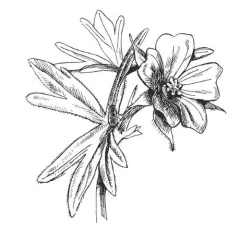
Chaste tree: One of the most commonly used herbs for cyclical premenstrual problems. Its effect is usually evaluated only after longer-term regular use. It is not suitable for every woman, especially with hormone-sensitive conditions, during pregnancy and breastfeeding.
Lady's mantle: A traditional women's herb suitable for tea blends during the menstrual cycle.
Red clover: Traditionally used to ease menstrual discomfort because of the presence of phytoestrogens.
Magnesium bisglycinate with vitamin B6: It can supplement magnesium intake during periods of increased muscle tension and fatigue. Follow the total recommended daily dose.
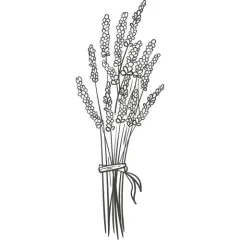
Lavender water or essential oil: You can use the scent as part of an evening relaxation ritual. Dilute the essential oil according to the instructions and do not use it internally.
If mood changes are very severe and disrupt relationships, work or everyday functioning, discuss the possibility of premenstrual dysphoric disorder with a doctor.
Menstruation and increased care for the body
Mild cramps and fatigue are common during menstruation. Severe pain that regularly prevents you from carrying out normal activities, very heavy bleeding, bleeding between periods or a sudden change in the course of menstruation deserve a professional examination.
What you can adjust
Give yourself warmth, gentler movement and enough fluids. A heating pad can relax tension in the lower abdomen and back.
Include foods rich in iron, such as meat, eggs, legumes, tofu, pumpkin seeds and leafy greens. Combine plant sources of iron with a food containing vitamin C.
Heavy menstruation increases the risk of iron deficiency. Ideally, use high-dose iron supplements only according to blood test results or a doctor's recommendation.
Herbs and products
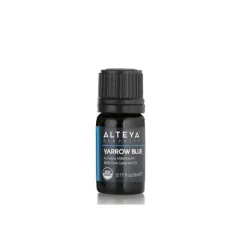
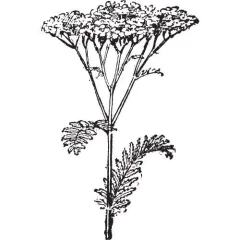
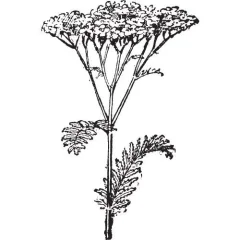
Yarrow: A traditionally used herb in tea blends for women.
Raspberry leaf: An herb traditionally associated with the female cycle.
Gentle intimate hygiene gel: Use it externally only and avoid washing too frequently or too intensively. The intimate area generally tolerates gentle care without strong fragrance best.
Perimenopause and menopause
Perimenopause usually begins after the age of forty, although it may come earlier or later. During this period, reproductive hormone levels change and the cycle may become shorter, longer or irregular.
Common symptoms include hot flushes, night sweats, sleep problems, mood changes, poorer concentration, irregular bleeding, dry mucous membranes and changes in body-fat distribution. The course is individual for every woman.
What you can adjust
Include regular strength training and weight-bearing movement. During menopause, it is important to care for muscle mass, stability and bone health.
Eat enough protein and spread your intake across the main meals. Regularly include sources of calcium, vitamin D, omega-3 fatty acids and fibre in your diet as well.
For hot flushes, observe your individual triggers. In some people they are worsened by alcohol, large amounts of caffeine, spicy foods, stress or an overheated room.
For dryness of the intimate mucous membranes, consult a gynaecologist. There are non-hormonal and hormonal care options that can significantly improve everyday comfort.
Herbs and supplements
Red clover: It contains isoflavones, which is why it is used in products for women in menopause. Research to date has not provided clear confirmation of its effect on menopausal symptoms.
Sage: Traditionally used in tea blends during periods of increased sweating. Follow the recommended duration and dosage.
Ashwagandha: An adaptogenic herb used during periods of stress. It may not be suitable with certain thyroid disorders, autoimmune diseases, during pregnancy or when taking some medicines.
Collagen peptides and Rose Beauty Omega: They may complement a diet focused on the skin and overall nutrition. They do not replace sufficient protein intake, a varied diet or care for the hormonal cause of symptoms.
Geranium essential oil: You can use its scent as part of an evening ritual or in a diffuser. Always dilute it correctly before applying it to the skin.
Long-term hormonal problems
Acne on the lower part of the face, irregular menstruation, pronounced body hair, hair loss, long-term fatigue or weight changes may be related to hormonal health. However, the same symptoms can also have other causes.
What you can adjust
Focus on regular sleep, enough food, appropriate movement and stress management. Very low energy intake and overtraining can disrupt the menstrual cycle.
When heating food, prefer glass or containers designed for high temperatures. Limit unnecessary heating of food in single-use plastics.
Support regular digestion with enough fibre, fluids and movement. The liver and intestines naturally participate in processing and eliminating many substances from the body.
Herbs and supplements
Dandelion root: A bitter herb traditionally used as part of tea blends to support digestion.
Chaste tree: It may have a place in targeted care for certain cyclical symptoms, but it should not be used automatically for every suspected hormonal problem.
Rhodiola rosea: It is better suited to a morning routine during a demanding period. Observe whether it increases restlessness or makes falling asleep more difficult for you.
ProViotic vegan probiotic: It can complement care for digestion and the microbiome. However, probiotics are not a standalone treatment for a hormonal disorder.
If your period is absent, your cycle is irregular over the long term or you have other pronounced symptoms, book a gynaecological or endocrinological examination.
Men's hormonal health
With age, testosterone levels, body composition, sexual function and recovery capacity may change. However, fatigue, reduced libido or poorer performance may also be related to stress, insufficient sleep, depression, obesity, medication, thyroid disease or another health problem.
What you can adjust
Include strength training two to three times a week and allow enough time for recovery between training sessions.
Get at least 7 hours of sleep and try to maintain a regular routine.
Limit excessive alcohol intake, stop smoking and focus on gradually improving your physical condition.
Ensure enough protein, healthy fats, zinc, magnesium and overall energy in your diet.
Herbs and supplements
Tribulus terrestris: It is often promoted as a product to support testosterone and performance. Studies in athletes to date have not confirmed an increase in testosterone, muscle mass or strength. Consider it a traditional herbal supplement, not a substitute for examination or treatment.
Cordyceps: A medicinal mushroom used in supplements focused on energy and physical endurance. The resulting effect depends on the composition, extract quality and overall routine.
Ashwagandha: It can be part of a routine during periods of increased stress. If you have a thyroid disorder, an autoimmune disease or take medication, consult a professional about its suitability.
Magnesium: It contributes to the functioning of the muscles and nervous system. First focus on food sources such as seeds, nuts, legumes, whole grains and leafy greens.
If you experience a long-term decline in libido, erectile dysfunction, pronounced fatigue or loss of muscle mass, seek medical advice. Testosterone levels need to be assessed together with symptoms and other examination results.
Nutrition for hormonal balance and vitality
The body needs enough energy, protein, fats, vitamins and minerals to produce hormones, enzymes and cells. An overly one-sided diet, prolonged fasting or excluding entire food groups can worsen fatigue, recovery and the menstrual cycle.
Healthy fats
Use cold-pressed plant oils such as hemp, pumpkin seed, flaxseed or sesame oil. Rotate them and add them mainly to cold dishes.
Include avocado, olives, nuts, seeds, eggs and oily fish in your diet. If you do not eat fish, focus on plant sources of omega-3 fatty acids or consider a suitable supplement.
Protein
Spread protein across individual meals. Use eggs, fish, meat, dairy products, tofu, tempeh, legumes, nuts and seeds.
Adequate protein intake is important for maintaining muscle mass, recovery and overall satiety, especially during sport and perimenopause.
Seeds and nuts
Grind flaxseeds before eating so the body can use them more effectively. Add them to porridge, yoghurt or smoothies.
Pumpkin, hemp and sesame seeds add fats, protein and minerals to the diet.
Brazil nuts contain a high amount of selenium, which contributes to thyroid function. Its content varies significantly between individual nuts. Usually one or two pieces a day are enough, and it is not advisable to eat them in large quantities every day.
Magnesium and antioxidants
Magnesium is found in cocoa beans, seeds, nuts, legumes, whole grains and leafy greens.
Colourful vegetables, fruit, herbs and spices provide the diet with a wide range of plant compounds. Vary the colours and types and try to eat as diversely as possible throughout the week.
Bitter foods such as chicory, rocket, dandelion leaves or certain herbal teas can pleasantly complement the diet and support a greater variety of flavours.
Start with three simple steps
You do not have to change your entire routine in one day. To begin, choose three steps:
- Go outside into daylight for at least a few minutes every morning.
- Add a source of protein and vegetables or fruit to every main meal.
- Create half an hour in the evening without work, social media or bright light.
After a few weeks, you can add another habit according to what your body currently needs. Observe your energy, digestion, sleep quality, the course of your cycle and your overall ability to recover. Long-term care is built on small steps that you can repeat every day.