
Almond flour: a healthy gluten-free alternative with lots of uses

What is almond flour?
Almond flour is made grinding peeled sweet almonds, most often blanched. The result is a fine, light powder with a characteristic nutty smell.
In contrast to almond flour or skins, it is about fine flour without added substances, which is natural gluten free and also suitable for people with celiac disease or gluten intolerance.
Nutritional values per 100 g
- Energy: 2740 kJ / 590 kcal
- Fats: 52.5 g (of which saturated fatty acids: 3.95 g)
- Carbohydrates: 18.7 g (from sugar: 4.6 g)
- Proteins: 21,4 g
- Salt: 0 g
Almond flour is a natural source vitamins, minerals and antioxidants, which support the health of the organism.
Health benefits of almond flour
Almond flour is not only tasty, but also nutritious. Contains healthy unsaturated fats, fiber a proteins, which contribute to the proper functioning of the body.
Main advantages
- Support for healthy cholesterol levels - unsaturated fats contribute to maintaining a normal level of cholesterol in the blood.
- A source of protein – proteins support growth and maintenance of muscle mass and contribute to healthy bones.
- High fiber content – helps digestion and increases the feeling of satiety.
- Gluten and GMO free - also suitable for celiacs, vegetarians and vegans.
- Ideal for special diets – almond flour is popular in low carb, keto also paleo catering.

Using almond flour in the kitchen
Almond flour is universal raw material, which you can use for both baking and cooking. Thanks to its mild nutty taste, it is suitable for both sweet and savory recipes.
Sweet recipes
- cakes, muffins, cookies, pancakes and fritters
- macaroons and other French desserts
- thickening of yogurts, smoothies or porridges
Savory recipes
- homemade pastries and savory cakes
- thickening soups and sauces
- preparation of almond drink
Tip: You can use almond flour as 100% substitute for wheat flour.
If you just want a mild almond flavor, use it 25% almond flour and 75% regular flour.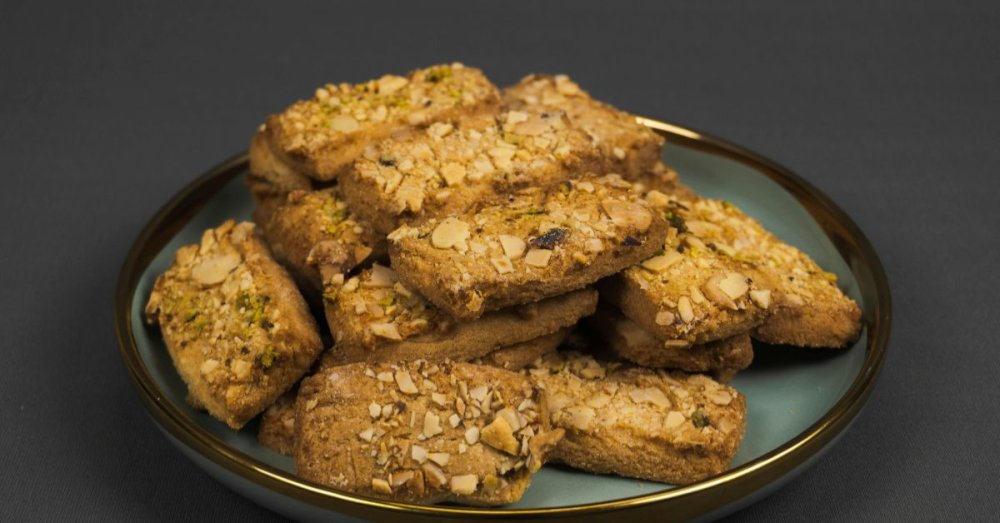
How to make almond flour at home
Homemade almond flour is a great alternative if you have good quality almonds available. The procedure is simple and you do not need any special equipment.
Step by step procedure
- Soak the almonds – soak the peeled almonds in cold water for min. 4 hours or overnight.
- Drain the water – after soaking, drain the water.
- Dry the almonds – let them dry in the air or in a dryer at a low temperature.
- Blend - place the dried almonds in a powerful blender or food processor.
- Blend to a fine powder – the result should be a fine, smooth flour.
- Store properly - store in an airtight container in the fridge or freezer to keep it fresh longer.
Why include almond flour in the diet
Almond flour is nutritious, tasty and healthy alternative to regular flour. It is ideal for people who avoid gluten, prefer a low-carb diet or want to enrich their diet with new flavors.
Summary of benefits:
- gluten-free and suitable for special diets
- high content of protein, healthy fats and fiber
- versatile use in both sweet and savory recipes
- simple home production
Produkty


