
Dandruff vs. dry scalp: How to tell the difference and what works
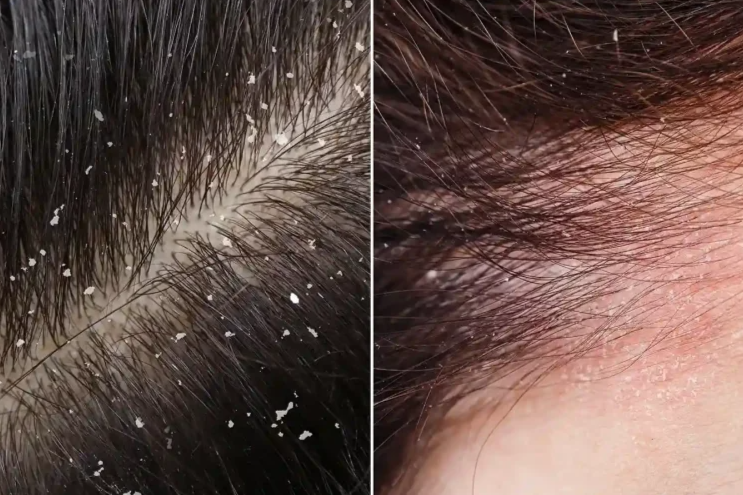
Dandruff and dry scalp are common issues that can cause itching, irritation, and unpleasant flakes in the hair. At first glance, they look similar – in both cases, you see small white or yellowish flakes, but their causes and treatments differ. If you want to choose the right care, it’s good to know what you’re actually dealing with.
Dry skin – when hydration is lacking
Dry skin on the scalp occurs when the skin doesn't produce enough natural oil, or loses it too quickly. The result is a feeling of tightness, itching and small, fine flakes. This condition can be worsened by cold weather, dry air in rooms, excessive washing of hair with aggressive shampoos, but also skin diseases such as eczema.
With dry skin, the hair is often dull, without shine, and the scalp may feel rough to the touch. The flakes from it are smaller and drier, often falling on the shoulders with even a slight movement of the hair.
Dandruff – when the scalp sheds faster than it should
Dandruff in the hair is the result of accelerated cell renewal of the scalp. Usually, the yeast Malassezia, which naturally occurs on the skin, is involved, but it multiplies in some people. This causes irritation and accelerated dying off of skin cells, which then clump together into visible flakes.
Dandruff is often oilier and larger than flakes from dry skin. The scalp can also be oily, but itchy and irritated. Sensitive reactions to cosmetic products or conditions like seborrheic dermatitis can also be the cause.
How to tell the difference?
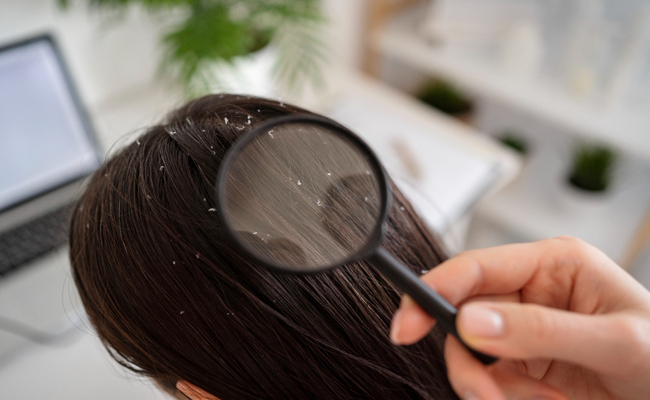
To distinguish whether you have dandruff or dry scalp, focus on these signs:
-
Type of flakes – small and dry usually mean dry scalp, larger and oilier are more indicative of dandruff.
-
Scalp condition – if it's oily, it's more likely dandruff; if it's rough and tight, it's more likely dryness.
-
Accompanying symptoms – dandruff is often accompanied by oily hair, while dry scalp is accompanied by a feeling of tightness.
Home care options
For dandruff, a suitable anti-dandruff shampoo is key – for example, containing ketoconazole, zinc pyrithione, selenium sulfide or salicylic acid. These substances help reduce the amount of yeast and remove accumulated flakes. Use the shampoo as recommended, but do not use it too often to avoid drying out the skin unnecessarily.
For dry skin, hydration is important – from the inside and out. Try reducing the frequency of washing your hair, using a gentle, sulphate-free moisturising shampoo and adding conditioner or oil care. In winter, a humidifier in the room and a drinking regime helps.
When to see a doctor
If your condition doesn't improve after a few weeks of proper care, or if you have painful areas, redness, scabs or sores, it may be another skin condition that requires professional treatment. A dermatologist can determine the exact cause and recommend appropriate products or medications.
Now you know how to prevent dandruff or avoid dry skin
Although dandruff and dry skin are similar, their treatments are different. While dandruff requires addressing excessive yeast and reducing irritation, dry skin mainly requires hydration and gentle care. Observing the symptoms will help you choose the right path to a healthy scalp and clean, flake-free hair.
Produkty
