
Hair breaking and split ends? Causes + how to choose a shampoo (keratin/proteins vs. oils)
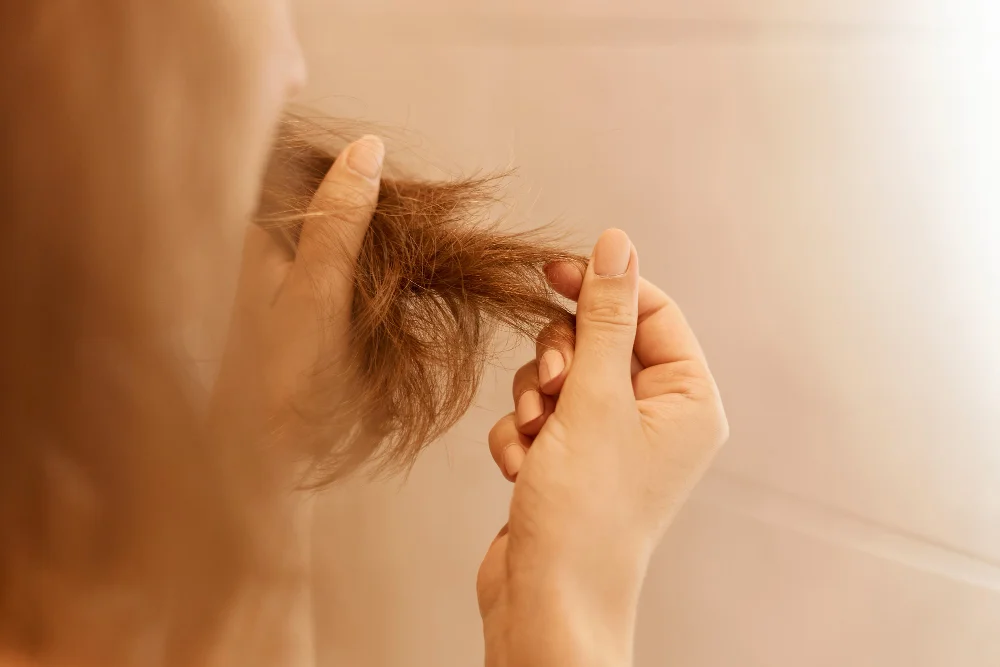
If brittle hair and split ends are bothering you, it’s easy to end up on a merry-go-round: you buy a “miracle” product, it’s better for a few days… and then nothing again. The reason is simple: breakage and splitting can have different causes—so the “best shampoos for damaged hair” aren’t the same for everyone. Some people need more keratin and proteins, others more oils and nourishment, and others need to adjust their washing routine and water temperature.
In this article you’ll find a practical system for choosing a repairing shampoo based on why your hair ends are getting damaged—with concrete examples of actives and product types you can also find in the Emerosa range.
Breakage vs. splitting: not the same (how to tell at home)
First, let’s clarify the difference, because your entire choice depends on it.
Breakage means the hair shaft snaps somewhere along the length—you’ll often see shorter “antenna” bits sticking up. Hair can look thinner even if you don’t cut it.
Splitting means the end of the hair separates—typical “forks,” white dots, or frayed endings. Those are split ends.
Quick at-home test:
-
When you slide a strand between your fingers and feel it “catch,” it’s often dryness and a rough surface.
-
If a strand breaks easily even while brushing, it’s more likely weakened hair and breakage.
And an important truth: a shampoo won’t “glue” split ends together forever. But it can do a lot to keep new ends from splitting so quickly—reducing friction, dryness, and brittleness.
Most common causes: coloring, heat, mechanical friction, overly harsh washing
Damage usually comes from several factors at once. These are the top four culprits:
-
coloring and bleaching: hair becomes more porous, drier, and more brittle
-
heat: dryer, straightener, curler (especially without protection)
-
mechanical friction: towel, clothing, scarf, bag straps, tight elastics, rough brushing
-
overly harsh washing: heavy degreasing worsens dryness, increases frizz and friction
If you feel like “my hair keeps getting damaged even though I use masks,” the shampoo often dries it out unnecessarily so the hair becomes rough—and rough hair breaks faster.
When to reach for keratin and proteins (wheat protein, “egg”)
A keratin shampoo or protein types make the most sense when your hair is:
-
significantly weakened after coloring/bleaching,
-
“gummy” (stretchy) or, conversely, very brittle,
-
lacking strength and easily tearing when detangling,
-
dull and rough, yet you feel it needs “reinforcing” more than just oiling.
Proteins (such as wheat protein) and keratin help by temporarily strengthening the fiber and smoothing the surface. That means less friction, easier detangling, and lower breakage.
Our tip:
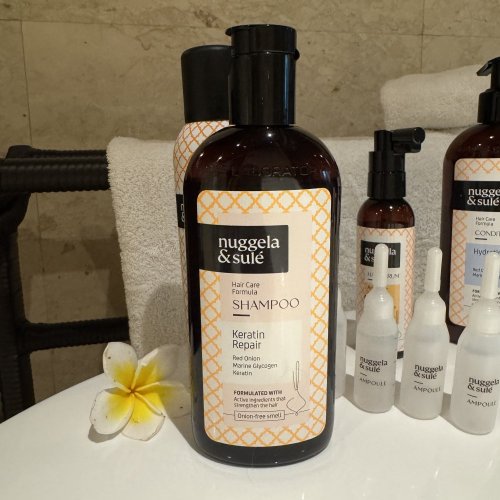
Important note: if after 2-3 washes your hair feels hard, squeaky, and breaks more, you may be overdoing proteins. In that case, use the protein/keratin shampoo only occasionally (e.g., once a week) and keep the rest of the washes gentle and hydrating.
When to prefer oils and nourishment (argan, flax, monoi/coconut)
If your hair is mainly:
-
dry, rough, frizzy,
-
ends feel “prickly” and snag on clothing,
-
looks dull, but hardens after proteins,
…then you often need more nourishment and softening. Oils and nourishing ingredients mainly help by smoothing the hair surface and reducing friction (and thus the splitting of hair ends).
Here, shampoos with nourishing oils typically win—e.g., argan—or gentle “oil-type” formulas.
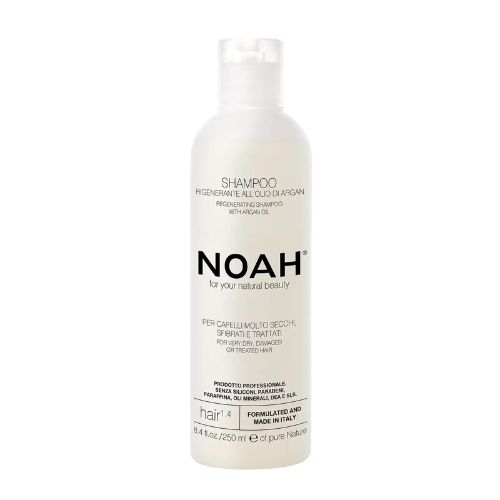
If your hair is fine, dose nourishment wisely: alternate rather than use it constantly. If it’s thick, dry, or curly, feel free to have more “nourishing days.”
Hydration and soothing: when an aloe vera shampoo helps with dryness and frizz
When hair is over-dried and frizzy, the scalp is often part of the problem: more sensitive, tight, and reactive to aggressive degreasing. Then a great base is a shampoo for dry and damaged hair that’s gentle and supports scalp comfort.
In this case, an aloe vera shampoo also makes sense—especially if you want gentle cleansing and hydration without weigh-down.
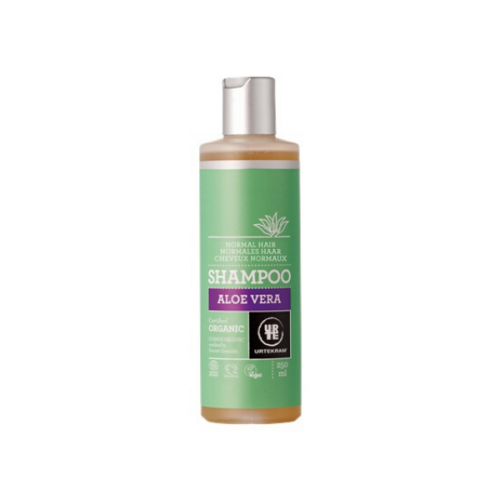
In practice, a combo often works: aloe/hydration as the “base,” plus occasional proteins or nourishment depending on what your hair is missing.
Washing routine that helps: frequency, water temperature, and alternating shampoos
Even the best repairing shampoo can underperform if the routine “undercuts” it. These little tweaks make a big difference:
-
Water temperature: lukewarm. Hot water worsens dryness and frizz.
-
Frequency: wash as often as your scalp needs—but don’t scrub the lengths.
-
How to wash: shampoo belongs on the scalp; the lengths are cleaned by the running lather.
-
Alternating shampoos:
-
2× gentle/hydrating (aloe vera shampoo or another mild type)
-
1× targeted to the issue: either a keratin shampoo or a nourishing oil-type
-
A simple plan for most people dealing with split ends and brittle hair:
-
if hair tears and is weak → more keratin/proteins (but not daily)
-
if hair is rough, dry, and frizzy → more hydration + oils
-
if you’re unsure → start with a gentle base and after 3-5 washes fine-tune “by feel” (your hair will tell you quickly)
Produkty


