Homemade natural repellents against mosquitoes and other insects
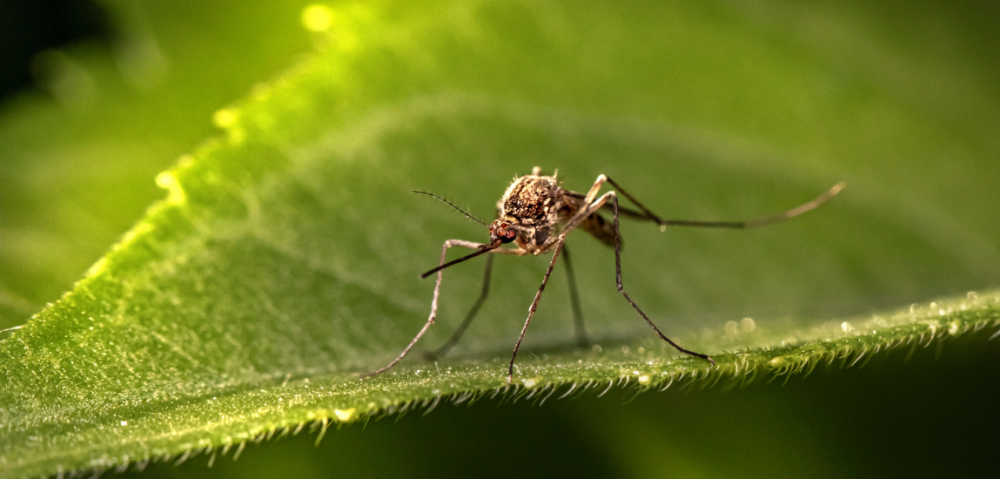
Natural Insect Repellents and How to Make Them at Home
Summer is a time for outdoor activities and fun, but also for insects such as mosquitoes and ticks, which can be not only annoying but also carry diseases. Therefore, it is important to protect yourself from insects and use repellents. There are many types of repellents, but many of them contain chemicals that can be harmful to health and the environment. That's why more and more people are turning to natural repellents.
Natural repellents are made from natural ingredients and are kind to both the environment and human health. Many of these natural ingredients also have additional benefits for health and mental well-being. Best of all, you can easily make them yourself at home!
What are repellents and what are they used for?
Repellents are substances and preparations that repel or deter insects and animals. They are used to protect against insect bites and stings, and from ticks. Repellents can be applied to the skin, clothing, or surrounding areas.
Why protect yourself from insects?
Insects can be not only annoying but also dangerous. Mosquitoes can transmit a variety of diseases, not only exotic ones like malaria or the Zika virus, but also common colds and many others. Ticks can transmit Lyme disease and tick-borne encephalitis. Protection from insects is therefore very important.
In children, there is also a risk of scratching the bites and infection or other complications.
Why avoid chemical repellents?
Many conventional repellents contain chemicals that can be harmful to health and the environment. These chemicals can cause allergic reactions, skin irritation or even health problems.
Natural alternatives
For example, you can try repellent from Wooden Spoon, which is made from herbal extracts and contains no synthetic substances or preservatives. Similar repellents are produced in various versions for different types of insects, such as mosquitoes, wasps, ants and others.
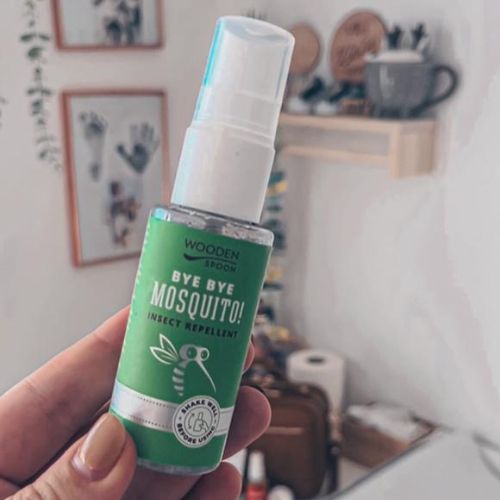
If you decide to use natural repellents, keep in mind that their effectiveness may be different from conventional repellents and may require more frequent application. However, thanks to their natural composition, they are gentler on your skin and the environment.
If you are interested in how to make a natural repellent at home, below you will find instructions for a simple and effective mosquito repellent.
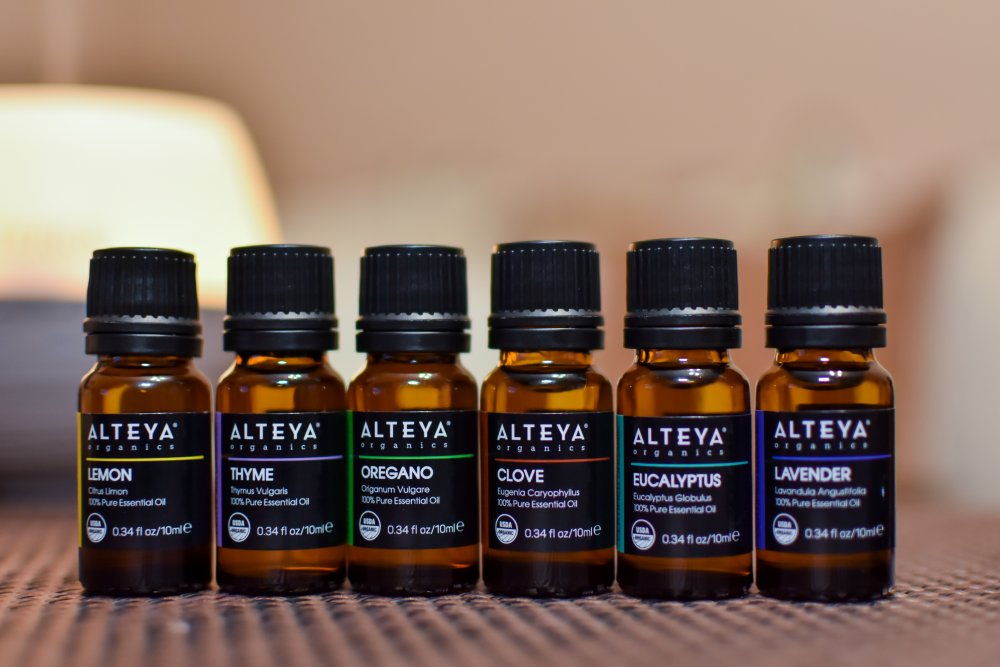
When looking for effective insect repellents, we can also focus on herbs that have natural repellent properties. Some of these include mint, rosemary, lavender, citronella, thyme, or eucalyptus. These herbs can be used fresh, dried, or in the form of essential oils.
Mint and rosemary are well-known herbs with repellent properties. To create an insect repellent, you can mix a few drops of mint and rosemary oil with a vegetable oil, such as jojoba oil or olive oil, and apply it to the skin.
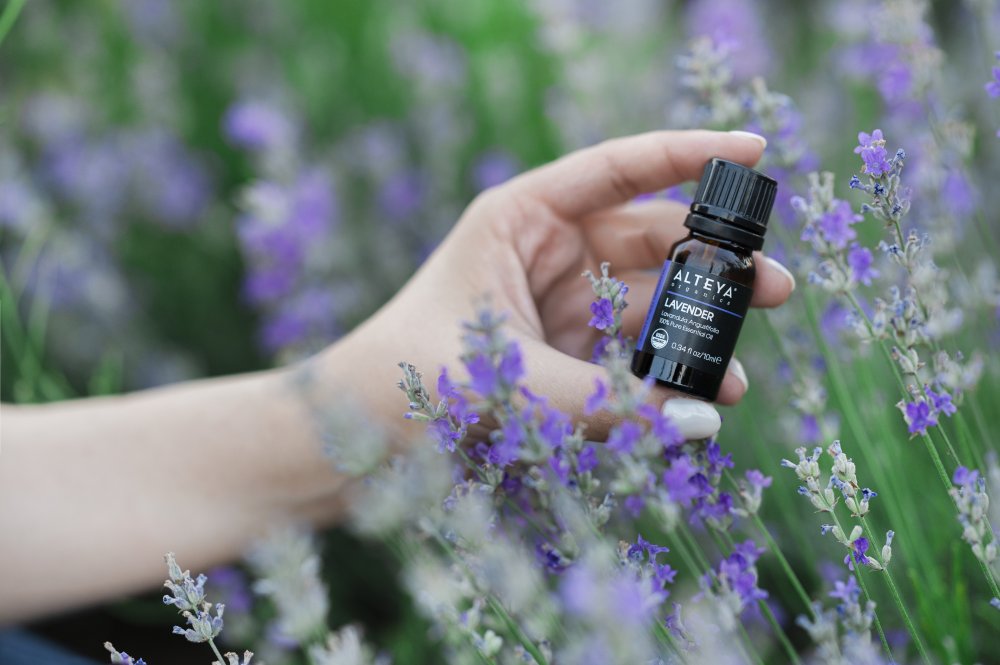
Lavender contains substances that are effective against mosquitoes, so you can use it to deter these insect pests. Simply mix a few drops of lavender essential oil with water and apply to the skin.
Citronella is another herb that has repellent properties and is used to deter mosquitoes and flies. Its essential oil can be mixed with a vegetable oil or water and applied to the skin.
Thyme and eucalyptus are other herbs that can be effective against insects. They can be mixed with a vegetable oil and applied to the skin or used to make a homemade insect spray.
How to make insect repellent at home
To make a natural insect repellent, you will need essential oils and a basic oil base. Almond oil or jojoba oil, which are suitable for sensitive skin, are often used as a base oil.
Instructions:
1. In the oil base, mix a few drops of essential oils, such as citronella, lavender, eucalyptus, rosemary and tea tree. You can use different combinations of oils according to your taste.
2. Pour the mixture into a bottle with a spray nozzle designed for spraying oils. Alternatively, you can dilute the essential oils in alcohol (vodka, medicinal alcohol, or rectified spirit). Alcohol will work with all types of sprayers, but it can dry out the skin.
3. Before use, thoroughly shake and spray your skin or clothing (we do not recommend spraying oil on clothing).
Remember that each type of insect may be repelled by different scents, so if one combination of essential oils doesn't work for you, try another. With a little experimentation, you can find the perfect combination for you and your family.
Other ways to protect your home
Ultrasonic repellents, which use high-frequency sound to repel insects, can help in rooms or on balconies, even for those with sensitive skin or noses. These repellents are often used against mosquitoes and flies and are available in many different types.
If you're trying to prevent insects from entering your home, there are several simple ways to do it. One of the most effective is to keep windows and doors closed, especially in the evenings when insects are active.
Another option is to use mosquito nets. These nets are installed on windows and doors and allow air to flow into the room while preventing insects from entering. There are various types of mosquito nets, including stationary, folding, and roll-up ones, which are easy to install and remove.
Another option is to use chemical repellents. These sprays, drops, or refills for electric repellents contain chemicals that deter insects. These repellents are usually safe for indoor use and are available in many different forms. However, if you have small children or pets, it is important to check whether the repellents are safe for them.
Použili jsme