
How to Choose the Right Disinfectant for Hands and Surfaces – when do I need which?
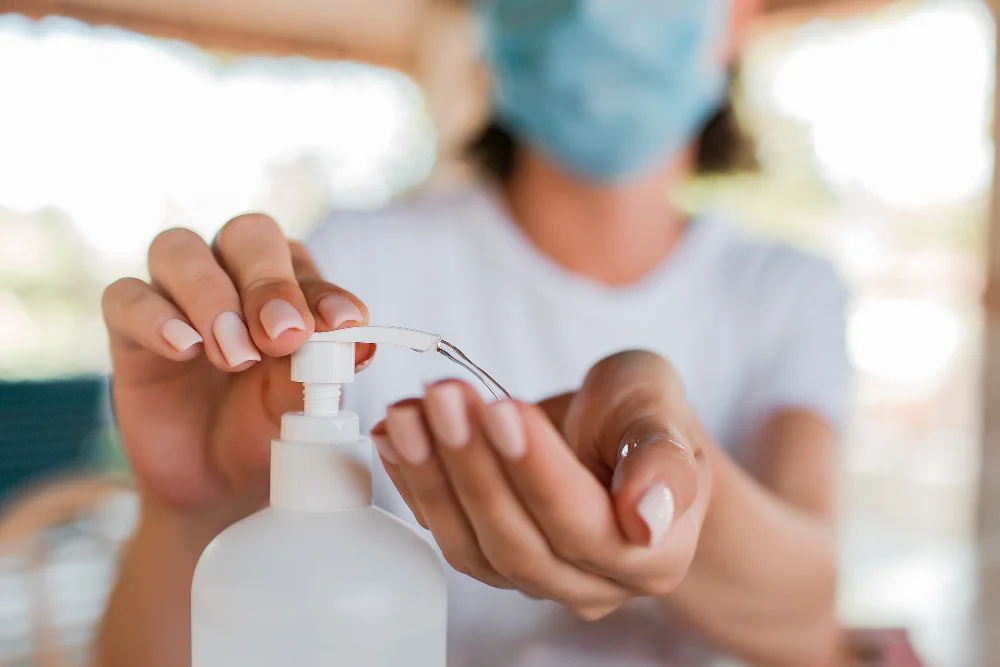
In a sea of options it’s easy to grab “just anything.” But the right disinfectant depends on the situation: you need one for hands and another for surfaces in the kitchen or office. This guide helps you quickly tell apart the product types (hand sanitizer, surface disinfectant, disinfectant spray) and use them effectively, safely, and economically.
What’s the difference between hand and surface disinfection?
Hand sanitizer is designed for the skin: it typically has an alcohol base (usually 60–80% ethanol/isopropanol) and often humectants (glycerin, aloe) to prevent dryness. It’s fast, portable, and ideal on the go or when water isn’t available.
Surface disinfectant is formulated for materials (stainless steel, plastic, ceramic, glass). It often combines alcohol, peroxide, acids (citric/lactic) or quaternary ammonium compounds and needs contact time (typically 1–5 min). Use it after prior cleaning so the active works on microbes, not on grease.
Two-step rule for surfaces: 1) clean (remove soil/grease) → 2) disinfect (leave for the recommended time).
When to use a disinfectant spray vs. soap + disinfectant?
-
Everyday at home/office: For hands, soap and warm water (20–30 s) win whenever available. Disinfectant spray/gel is for commuting, public transport, after touching door handles or card terminals.
-
High-risk spots at home: In bathroom/kitchen do cleaning first, then surface disinfectant spray with short contact time.
-
Shared spaces (open offices, receptions, classrooms): Keep a quick alcohol spray for handles, desks, keyboards; at day’s end do thorough clean + disinfect.
Quick shortcut:
-
Hands → soap when possible, otherwise alcohol hand sanitizer.
-
Surfaces → cleaner → surface disinfectant (don’t wipe too early).
What should a quality disinfectant include—and what to avoid?
When choosing, check the composition, form, and use:
For hands (hand sanitizer):
-
60–80% alcohol (ethanol/isopropanol) = fast action.
-
Moisturizers (e.g., glycerin), light fragrance or fragrance-free for sensitive skin.
-
Gel or spray per preference; gel drips less, spray is ultra-fast.
For surfaces (surface disinfectant / disinfectant spray):
-
Alcohol for quick hits on smooth surfaces; peroxide/acids for bathrooms and grout.
-
Clear contact time on label (don’t wipe early).
-
Material-friendly: compatible with steel, glass, plastic; beware lacquered/wood.
-
Low fragrance in kitchens and on children’s surfaces.
Watch out for:
-
“Miracle” claims with no details (no % alcohol, no contact time).
-
Overpowering fragrance and dyes in hand and food-contact products.
How to use disinfectant correctly day to day?
Hands (step by step):
-
Apply a sufficient amount (palm is wet).
-
30–40 seconds rubbing over palms, between fingers, backs, thumbs, nails.
-
Do not rinse; let fully dry.
Surfaces (step by step):
-
Wash/degrease (use an all-purpose/bathroom/kitchen cleaner).
-
Spray disinfectant evenly.
-
Leave to act per label (usually 1–5 min).
-
On food-contact surfaces, optionally rinse with water.

Practical tips: keep home or office safe without excess chemicals
-
Attention zones: handles, faucets, flush button, phone, keyboard, raw-meat cutting board.
-
Ventilation is “chemical-free” air disinfection—a few minutes of intensive airing daily lowers aerosol concentration.
-
Microfiber helps: first removes biofilm/soil, then disinfectant works at full power.
-
Minimalism works: instead of 5 products, keep 2–3 go-tos—one for hands, one for surfaces (alcohol-based), optionally peroxide-/acid-based for bathrooms.
-
Use economy: a sprayer with a fine mist cuts usage; refill packs save money and waste.
Frequently Asked Questions (FAQ)
Is soap enough instead of hand sanitizer?
Yes—if you have water and soap, thorough washing (20–30 s) works great. Hand sanitizer helps on the go or between touches of risky surfaces.
Is vinegar a disinfectant?
It’s not a registered surface disinfectant—it’s a great limescale cleaner; use it as a pre-cleaning step, not the only disinfecting action.
Can I use a disinfectant spray on everything?
No. Check material compatibility and contact time. In kitchens choose low-fragrance options and optionally rinse sensitive areas.
Recommended products from Emerosa
-
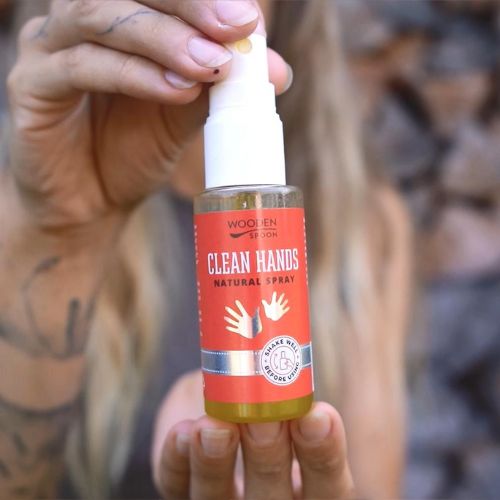
Hand disinfectant spray—fast action (alcohol base)
-
Kitchen cleaner + disinfectant—low fragrance, food-contact surfaces
Choose purposefully—hand sanitizer belongs on skin and should be fast and gentle, while a surface disinfectant needs a clean base and contact time. Combine the right product with the right sequence and smart habits to get clean hands, safe surfaces and minimal unnecessary chemicals—the Emerosa way.
Produkty


