
Oh those eyes!!

Oh, those eyes!
“The eyes are the window to the soul” Do you believe it? Many people do, and so do I.
If you want yours to shine, don't forget the window frame – the delicate skin around your eyes. Caring for the eye area requires special attention and cosmetics.
Why is the skin around the eyes different?
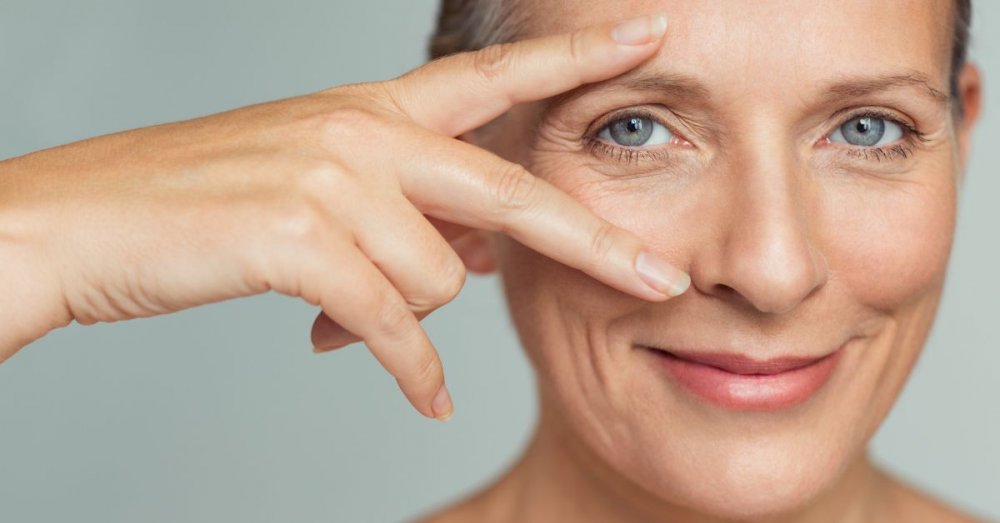
The skin on the face is not the same everywhere. The eye area is the most vulnerable and delicate area of our skin. Why? Due to a lack of sebaceous glands. The eye area has far fewer compared to the rest of the skin. In addition, the skin around the eyes is at most half a millimetre thick, which is three times thinner than on the face. Because of this, it is noticeably more sensitive, less flexible and very susceptible to all external stress factors. It is also more fragile, and therefore easily loses water and is more prone to dehydration. In addition, it is under constant stress, negative environmental influences and changing facial expressions. This is the reason why the first signs of ageing can appear very early in the form of fine lines, dark circles and puffy eyelids.

The bogeyman called dark circles under the eyes
Why do they occur? Slowed microcirculation in the delicate skin under the eyes can cause unsightly bluish or greyish circles. The subcutaneous tissue under the eyes is sparse, so it easily absorbs fluid. When you're tired, the blood vessels dilate to bring more blood to the eyes, which appears as a blue or blue-grey area under the thin skin. In most cases, this is due to a lack of sleep or vitamins, fatigue, poor hydration, lack of fresh air, tobacco smoke, sunlight or excessive eye strain. They can also be a result of excessive salting or fat intake - damaging the vascular system. You should avoid eating foods with a high salt content. Salty cheeses, salty sticks and crisps, instant soups and processed meats are particularly unsuitable. You should include foods containing vitamin A in your diet. These include tomatoes, carrots, liver, beef, eggs, fish. Dark circles under the eyes also indicate inadequate kidney function and elevated cholesterol.
Puffy eyelids
Why do they occur? Puffiness around the eyes is most often caused by accumulated lymphatic fluid. If you keep the upper half of your body elevated while sleeping, the lymph can flow and won't stay in the areas under your eyes. However, bags under the eyes can also arise from other causes. They can be triggered by inflammation of the eyelids, inflammation of the eye or its surroundings, diseased sinuses, or inflamed tear ducts. An allergic reaction may also be behind the bags. However, alcohol, too much salt, or proteins can also cause bags.
Is genetics to blame? The formation of puffiness can also be hereditary. The good news is that such swellings – even though they bother you for years, disappear spontaneously in a short time after waking up. Because when you sleep, you don't blink, so the muscle pump that moves fluid from the capillaries doesn't work either. Blood flow slows down, and thin subcutaneous tissue easily absorbs fluid. A slight swelling will occur. After waking, regular blinking washes away the fluid that has accumulated during sleep, and the swelling disappears. However, fatigue, a poor lifestyle, and inadequate lymphatic system function contribute to the formation of bags, similar to the formation of dark circles under the eyes. Therefore, what you eat is important. A healthy diet and sufficient fluid intake will support your lymphatic system.
The skin on the face is not the same in all places, so it cannot be treated with just one cosmetic product and expect it to be enough.
Exceptionally sensitive skin also requires sensitive treatment. You should definitely have an eye cream in your basic cosmetic equipment, even if you think you don't need it yet.Unlike regular facial cosmetics, eye products are less dense and more airy. This prevents unnecessary strain on the thin skin, clogging of pores and swelling.
Fortunately, today many women consider treating the skin around the eyes with cream as part of their daily care. However, many of them still think that a face cream is enough. And that's a mistake! The skin around the eyes has a different structure to the skin on the face, so logically it needs a different product. Moreover, it is not able to use enough active ingredients from a “normal” cream and handle them properly. Products designed for the skin around the eyes are usually in the form of a cream, serum or gel, and eye masks are also common. It is said that eye cream should be stored in the refrigerator, but that is not necessary. You won't ruin anything by doing so, at least it will cool you down nicely.
The sooner, the better
When is the right time to start using eye creams? Just like with facial and body skincare, it's best to start as early as possible. It's a good idea to start using light, hydrating products in your twenties. From your thirties, your skin needs not only hydration but also nourishment. And if you don't have excellent genetics, you'll also need help against the first wrinkles. Daily and nightly care should be a matter of course at this age. In your forties, it's time to switch to intensive anti-wrinkle products, and after fifty, creams with a lifting effect.
How to apply eye cream?
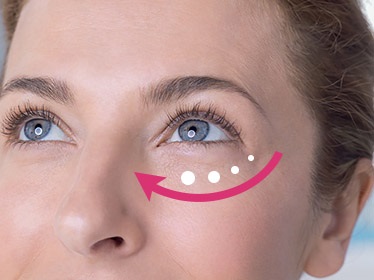
Eye cream should be applied to the lower eyelid and along the outer corners of the eyes. The gentlest application is to pat the product into the skin with your fingers. If you spread it all over the eyelid, be especially careful, you can easily cause external irritation.
If you wear contact lenses, always remove them from your eyes before applying eye cream in the evening. The opposite applies in the morning. First cream, then put in your lenses. If you feel that your eyelids are still irritated, apply chilled tea bags wrapped in paper towels to them.
Creams alone are not enough
To keep the skin around your eyes glowing with health, follow these rules:
- Get enough sleep and rest – the skin around the eyes is the first place where fatigue shows.
- Wear sunglasses in the summer, use cream with a protective UV factor.
- Use eye cream every evening.
-
Remove make-up with unscented and alcohol-free cosmetics designed for eye make-up removal.
- Maintain a healthy lifestyle, avoid stress, alcohol and cigarettes – they promote premature skin ageing and dehydration.
- Get enough vitamins and minerals – they improve skin condition and fight ageing.
Produkty


