Almonds: health benefits, how much to eat, and what to watch out for
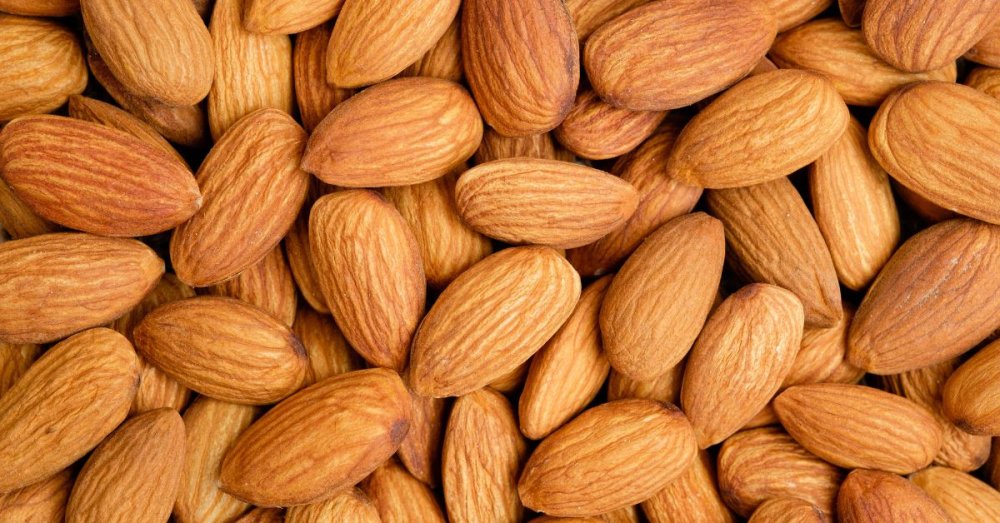
What are almonds and where are they grown?
The almond tree thrives in subtropical and warmer temperate regions. California is the largest producer, while Spain dominates Europe. In our conditions, you will encounter cultivation, for example, in southern Moravia.
Sweet almonds are safe for normal consumption. Bitter almonds contain amygdalin, which is converted into hydrogen cyanide in the body, so they are not recommended to eat.
Nutritional value of almonds
100 g of almonds contains approximately:
- 579 kcal
- 21 g of protein
- 50 g tukov (especially mono- and polyunsaturated)
- 22 g of carbohydrates, with 4–5 g of sugar
- 12 g of fiber
Almonds are an excellent source vitamin E, B group vitamins (B2, B3), magnesium, calcium, phosphorus, potassium, copper and zinc.
👉 The optimal portion is 30 g this one (approx. 20–25 kernels), which provides a third of these values and is ideal for regular inclusion in the diet.
7 proven benefits of almonds
1. Heart and cholesterol health
Monounsaturated fats support a healthy lipid profile: they lower LDL cholesterol and increase HDL, which benefits the cardiovascular system.
2. More stable glycemia
The combination of fats, proteins and fiber slows down the absorption of carbohydrates and balances glycemic fluctuations. A handful of almonds to the fruit lowers the glycemic index of the entire serving.
3. Satiety and weight loss support
Almonds are satiating thanks to fiber, fat and protein. They help to control the appetite, but due to the high energy value, the right portion is decisive.
4. Antioxidants and skin
Almond skin contains polyphenols and vitamin E, which protect the skin from oxidative stress. They support slower aging and a healthy appearance of the skin.
5. Anti-inflammatory effects and intestinal microbiome
The magnesium, healthy fats and phytochemicals in almonds help reduce inflammation while supporting beneficial gut bacteria.
6. Brain and nervous system support
Vitamin E, magnesium and healthy fats protect neurons, support memory and cognitive functions.
7. Bones and teeth
Calcium, phosphorus and magnesium from almonds help maintain the strength of bones and teeth.
How many almonds a day?
It is a safe and nutritious portion 30–50 g of this.
- When reducing weight, it is recommended earlier 30 g and counting in caloric intake.
- For a balance of fatty acids, combine almonds with nuts rich in omega-3 (walnuts, flax, chia).
Risks and what to watch out for
- Nut allergy: Almonds are a common allergen. Manifestations can be digestive, skin or respiratory.
- Hot almonds and amygdalin: Do not eat them, they contain toxic amygdalin.
- Storage: Improperly stored almonds can become moldy (aflatoxins). Store them airtight, in the dark and cool. They will last for months in the fridge, even longer in the freezer.
- Omega-6 vs. omega-3: Almonds contain more omega-6, so alternate them with other nuts and seeds.
How to pick and eat almonds
- Natural with peel: the most antioxidants.
- Blanched: milder taste, less antioxidants.
- Roasted: more pronounced taste, with gentle roasting and better digestibility.
- Almond butter: nutritionally comparable to whole almonds (watch out for added sugar and oils).
- Almond flour: gluten-free alternative for baking.
- Almond drink: low in protein and fibre, suitable rather as a light herbal drink.
Soaking: it can improve digestibility, but it reduces the antioxidant content of the peel. If you tolerate almonds well, it is not necessary.
Quick tips and mini-recipes
- Tenth: yogurt, fruit and a spoonful of chopped almonds.
- Salty: chicken breast in almond-sesame sauce.
- Sweet: replace part of the flour with almond flour when baking.
- Satiety snack: a handful of almonds and a few cubes of dark chocolate.
Almonds are a functional food with powerful health effects. They support the heart, stabilize blood sugar, satiate when losing weight, benefit the skin, brain and bones. The key is quality and a portion of 30-50g per day. Pay attention to allergies, bitter almonds and proper storage.
FAQ - frequently asked questions
Are almonds suitable for weight loss?
Yes, they satiate and help regulate appetite. But stick to the 30 g portion.
Is it better to eat almonds with or without skin?
You get more antioxidants with the peel. Without the skin, they are gentler on taste and digestion.
Do you need to soak almonds?
It is not mandatory. Soaking can make digestion easier, but it reduces the antioxidant content.
How much vitamin E do they contain?
Even a small portion will significantly cover the daily need for vitamin E.
Can almond drinks replace milk?
Nope. They contain little protein and fiber, so they are more suitable as a refreshing plant-based drink.
👉 Include almonds in your diet as a tasty snack or an ingredient in sweet and savory dishes. A small handful a day will bring you a big effect for health and vitality. 🌿
Produkty