Peanuts and peanut butter: (non)nuts full of nutrients, benefits, risks and kitchen tips
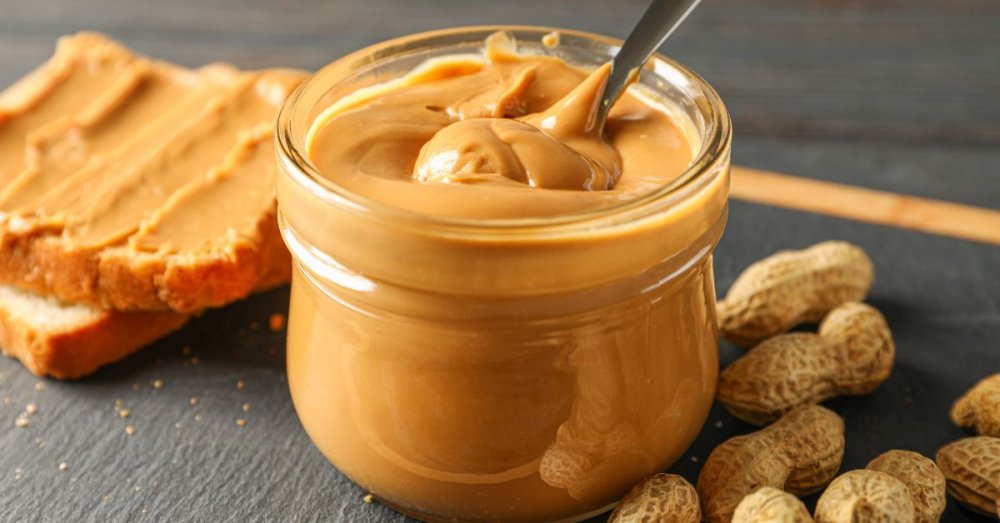
What exactly are peanuts?
Peanuts come from South America and are grown above 6,000 years. Fruits are developing underground. The official name of the plant is groundnut (Arachis hypogaea). Common names like "peanuts" or "peanuts" are misleading - they are not nuts, but legumes.
Nutritional value and composition
Macronutrients (per 100 g raw)
- Energy: ~591 kcal / 2470 kJ
- Proteins: 25–26 g
- Fats: 49 g (MUFA/PUFA ~40 g)
- Carbohydrates: 7–8 g
- Fiber: 8–9 g
Micronutrients and bioactive substances
- Vitamins:B1, B3, B5, B6, B9, E
- Minerals: magnesium, phosphorus, potassium, zinc, selenium, calcium, copper
- Antioxidants: resveratrol, p-coumaric acid, isoflavones, phytosterols
- Coenzyme Q10: associated with vitality and cardiovascular health
9+ health benefits of peanuts
- Satiety & weight loss – a high proportion of proteins, fats and fiber increases the feeling of satiety; but watch out for calories.
- Heart & cholesterol – MUFA/PUFA, resveratrol and phytosterols support a healthy lipid profile.
- Glycemia – low GI (~15), stabilizes the blood sugar level.
- Antioxidants & oxidative stress – vitamin E, resveratrol, zinc protect cells.
- Cognitive functions – polyphenols and zinc support memory and stress management.
- Risk of certain cancers – phytosterols indicate a preventive effect.
- Gallstones – regular consumption associated with lower risk.
- Muscles & weight gain – energy-dense, support muscle volume (~26 g protein/100 g).
- Nutrition during pregnancy/breastfeeding – beneficial nutrients for women without allergies.
💡 Recommended portion: handful (30–35 g) or 2 tablespoons of peanut butter (≈ 28–32 g) per day.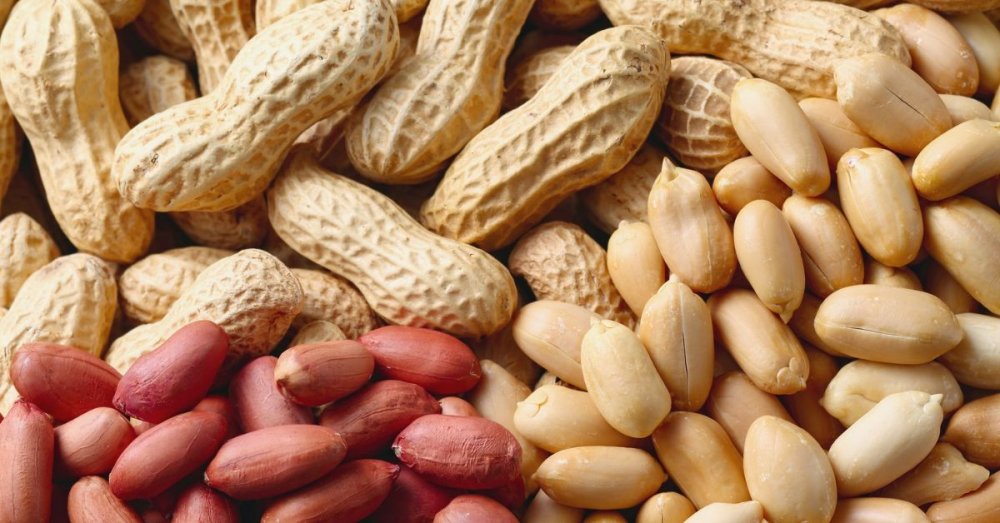
Risks and what to watch out for
- Allergy: one of the most common food allergies (swelling, itching, indigestion, anaphylaxis). Strict omission and inspection of labels.
- Histamine intolerance: individual tolerance, monitor reactions.
- Aflatoxins: mold toxins in warm/humid environments; buy from reputable sellers, store dry and dark ≤21°C.
- Salt and sugar: flavored variants (salted, in caramel/chocolate) have a worse nutritional profile.
Peanut butter: history and composition
- Historical window: crushed peanuts were already known to the Aztecs; modern butter from ~1890, J. H. Kellogg patent 1895.
- Peanut content: there are approximately 320 peanuts in a 200 g cup (≈24 pieces in a 15 g spoon).
- Real butter: minimum 90% peanuts, ideally 100%, without palm oil, sugar and preservatives.
How and where to use peanuts and butter
Sweet ideas
- Oatmeal/rice porridge, granola, smoothie
- Protein pancakes, cookies, brownies, unbaked balls
- Yogurt + fruit + spoon of butter
Salty ideas
- Asian sauces (satay, curry), wok
- Dressing with tamari/lime, sprinkled on salads and bowls, roasted vegetables
- Peanut dip with meat, tofu or udon noodles
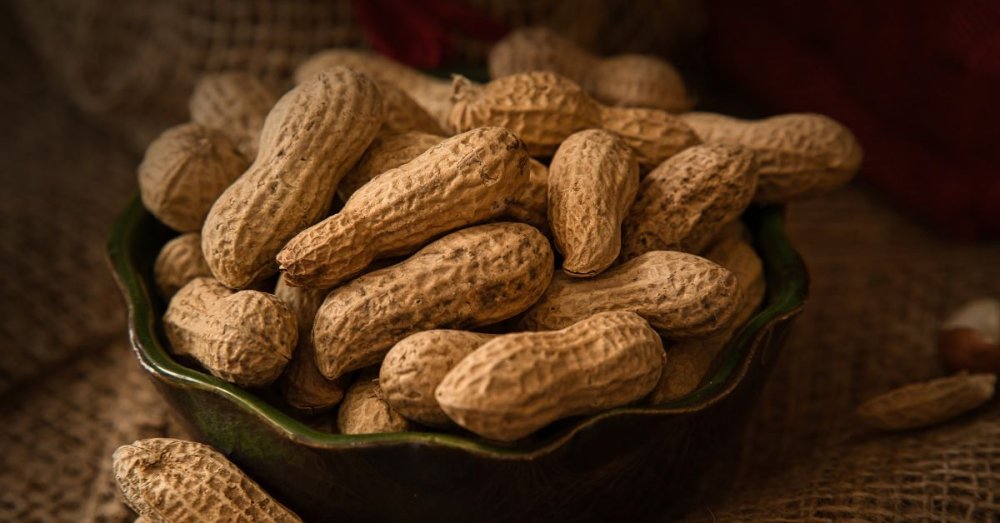
Roasting, peeling and storing
- Larger kernels (21/25) are suitable for direct consumption; smaller or split into butter and flour.
- Raw natural - expect heat treatment (blanching/roasting).
Peeling
- For the night in the freezer → the peel comes off easier.
- After roasting, shake in a metal container, pour on a towel and "blow off" the skins.
Roasting at home
- Oven: 180 °C, peeled 15 min, unpeeled 20–25 min, without added fat.
- Seasoning while still hot: salt, cinnamon, chili.
Storage
- Dry, dark, cold (≤ 21°C), in the refrigerator in an airtight container for ~1 month.
- Freezing: up to 12 months without significant loss of quality.
Curiosities
- Peanuts are not nuts - relatives of peas, beans, lentils, soybeans.
- Presidents Thomas Jefferson and Jimmy Carter were both peanut growers and supporters.
- Record in the peanut throw: Cardiff 2008 – 37.92 m.
- "Arachibutyrophobia" - fear of butter sticking to the palate.
- Space peanuts: "lucky peanuts" at NASA for luck during missions.
FAQ
How many peanuts a day?
Usually 30-35g (handful) or 2 tbsp of butter - adjust to total calorie intake.
Are they suitable for weight loss?
Yes, but control the amount - they are high in calories. They fit into a balanced meal with protein and fiber.
Glycemic index?
Low (~15), they stabilize glycemia within the meal.
Pregnancy/breastfeeding?
For women without allergies, peanuts are nutritious and safe.
Peanuts vs. nuts?
They are legumes, but in practice they are used similarly to nuts.
How do I recognize high-quality butter?
Composition of 100% peanuts, without palm oil, sugar and preservatives. Prefer nuts with a high-quality origin and roasted "dry".
Produkty