
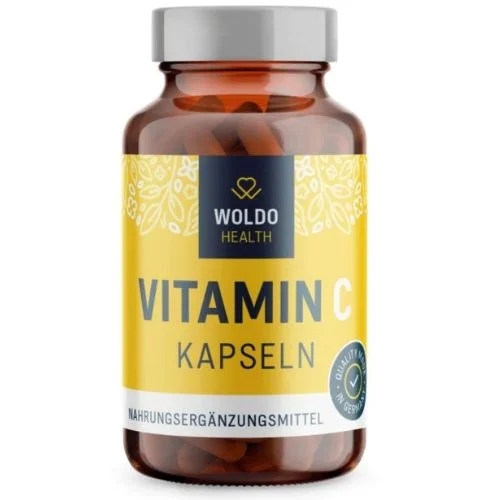


Vitamin C Woldo 120 capsules
Woldohealth natural Vitamin C is made from 100% acerola extract, the Brazilian cherry. It is considered to be the raw material with the highest Vitamin C content in the world, up to 30x more than lemon. This vitamin is also characterised by better absorbability and bioavailability for the human body than its synthetic form.
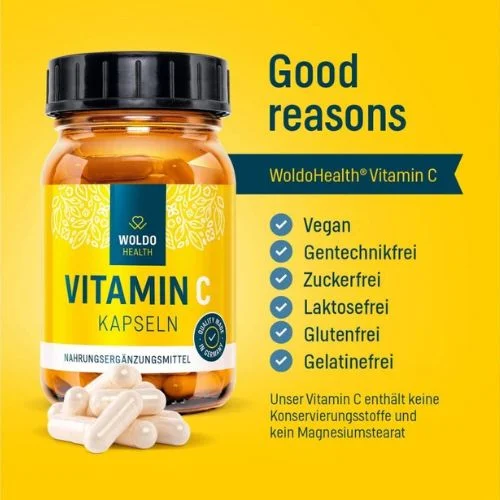
In one dose (2 capsules) you get 840 mg of acerola, of which 210 mg is Vitamin C. This corresponds to 263% of your daily dose. The package contains 120 tablets, which ensure an optimal daily dose for approximately 2 months. The capsules are of plant origin (vegan capsules), which are easier to digest and less stressful on the stomach compared to gelatine capsules.
The product contains only natural substances without magnesium stearate, colourings, sweeteners, aromas and synthetic ascorbic acid. It is also suitable for vegetarians.

Why shop at Emerosa?
-

Loyalty program
We reward each product review.
-

Expert advice
We provide the best quality of services and products.
-

Reliability of delivery
Own warehouses guarantee speed and reliability of delivery.
-

Our products
We create quality products for you
-

Shop and save
Get up to 10% discount
-
Free shipping
for purchases over €60
-

Satisfaction guarantee
Does it not fit? Give it back.
-

Review reward
Review = up to € 1.2 back.
Vitamin C Woldo 120 capsules
Vitamin C is one of the most important vitamins for the human body. It helps the nervous and immune systems to function normally, protects cells from oxidative stress, reduces tiredness and fatigue, and contributes to the regeneration of vitamin E. It also boosts iron absorption and supports the body's own collagen production to maintain the function of blood vessels, bones, teeth and joints.
Our bodies cannot produce vitamin C themselves, so we need to get it externally, in the form of fresh fruit and vegetables or food supplements. Especially in the winter months, we may be at risk of deficiency, so regular use of food supplements is recommended. When choosing them, it is recommended to focus on food supplements of natural origin.
Main functions of vitamin C:
- contributes to the normal function of the immune system,
- contributes to the normal functioning of the nervous system,
- contributes to normal collagen formation for normal function of bones, cartilage, gums, skin and teeth,
- contributes to normal energy metabolism,
- contributes to the protection of cells from oxidative stress,
- contributes to the reduction of tiredness and fatigue,
- increases iron absorption,
- contributes to the regeneration of the reduced form of vitamin E,
What is the difference between natural and synthetic vitamin C?
Vitamin C is vital for the proper functioning of our body, but using its synthetic form can have an adverse effect on our health. This form is absorbed more poorly and can also lead to acidification in our body.
Woldohealth Vitamin C is 100% natural and is extracted from acerola immediately after harvesting. It is then dried to preserve all the plant components and the content of bioflavonoids (natural antioxidants). This Vitamin C is not isolated in plants, which leads to better bioavailability for the human body. Thanks to its faster absorption, it is also better utilised by our body.
Acerola is considered a superfood due to its high content of bioactive substances, which enhance the antioxidant properties of Vitamin C. It also contains vitamins A, B1, B2, B3, B6, niacin, protein, iron and fluorine.
Daily dose of Vitamin C
The recommended daily dose of Vitamin C is considered to be 80-100 mg. A higher amount is recommended for those who are exposed to stressful situations, athletes, older people, pregnant and breastfeeding women. The maximum daily dose is considered to be 3000 mg for short-term use and 2000 mg for long-term use. We don't need to fear overdosing. Vitamin C is one of the water-soluble vitamins, which means it is not stored in the body, and any excess amount is excreted in the urine.
Smoking, contraception, or antibiotics can lower vitamin C levels.
The recommended daily dosage is as follows:
- 40 mg for children,
- 50 mg for children from 8 years old,
- 60 mg for women,
- 80 mg for men and pregnant women,
- then 80 to 100 mg for breastfeeding women,
RECOMMENDED DAILY DOSAGE:
Take 2 capsules daily and drink with sufficient liquid.
When and how to take vitamin C?
It is ideal to take vitamin C in the morning or during the day, preferably with food, to promote its absorption and reduce the risk of stomach irritation. Here are some tips for optimal vitamin C intake: 1. Morning or during the day: Vitamin C has a mild stimulating effect, so it may be better to avoid taking it in the evening to avoid disturbing sleep. 2. With food: Vitamin C is acidic, so it is advisable to take it with food, which can help alleviate any stomach problems. 3. Dividing the dose: If you are taking a higher dose (e.g. 500 mg or more), you can divide it into two or more smaller doses during the day. This allows the body to absorb Vitamin C more effectively, as excess Vitamin C is excreted in the urine. 4. When you have an increased need: It's good to increase your Vitamin C intake when experiencing stress, a cold, or strain, as the body may need more antioxidants to support immunity.
The product was manufactured and pharmaceutically tested in Germany and contains only active ingredients with proven origins.
What is Acerola?
Malpighia glabra, also called acerola glabra or Barbados cherry, is a type of tropical or subtropical tree-like or shrubby plant grown for its Vitamin C-rich fruits. Acerola grows in the area from Central to South America. The fruit, which averages 1 to 3 cm in diameter, grows on a bush up to 3 m high. It has a yellowish-orange to red thin skin. Acerola cherries can be harvested 3 to 4 times a year. Unfortunately, the soft pulp almost makes it impossible or very expensive to export acerola as fresh fruit without damaging the fruit. Therefore, export is only carried out as juice, in lyophilised form or as acerola powder, which is obtained by a spray-drying process.
What does acerola contain?
In addition to vitamin C, acerola contains a full range of B vitamins (thiamin, niacin, riboflavin, biotin...), as well as vitamin A, E and P or rutin, various minerals and flavonoids. All these substances are not contained in large quantities in the fruits, but they help to better absorb and utilise the large amount of vitamin C. This makes natural sources of valuable and essential substances for the body exceptional.
What is better, synthetic ascorbic acid or acerola?
In addition to the main component of vitamin C, the tropical superfood contains a large amount of essential vitamins, minerals and secondary plant substances
k. Vitamin C in acerola is better absorbed than synthetic ascorbic acid.
Why take acerola?
In recent years, there has been increasing talk about the fact that it is advisable to obtain important vitamins and minerals primarily from natural sources, and to reach for the synthetic ones only when the rest is not available. In addition to classic fruits and vegetables, sea buckthorn and rose hips are also rich sources of natural vitamin C. However, the absolute highest concentration of vitamin C is found in acerola.
WARNING: Keep out of reach of children. Food supplements are not a substitute for a varied and balanced diet. Do not exceed the recommended daily dosage.
INCI
Acerola fruit extract (Malpighia glabra), maltodextrin. Hydroxypropyl methylcellulose capsules (vegan)
| ❀ Product Category | Nutritional supplements |
|---|---|
| Beneficial effects | strengthening immunity |
| Suitable for | kids, adults |
Sabína
Positivesprírodný zdroj céčka a veľké balenie
pomer cena kvalita je super
Related products6
Magtein Magnesium L-Threonate Woldo 90 Capsules
In stock
33,19 € 33.19 EUR

Curcumin with Piperine Woldo 120 capsules
In stock
20,08 € 20.08 EUR
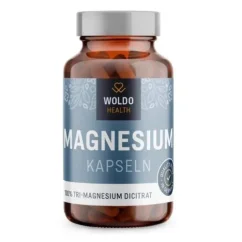

Magnesium Tri-Magnesium Dicitrate Woldo 120 capsules
In stock
18,40 € 18.4 EUR
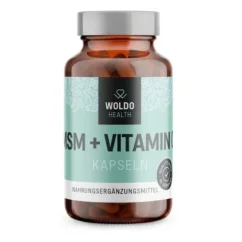
MSM + Vitamin C Woldo 180 capsules
In stock
16,38 € 16.38 EUR
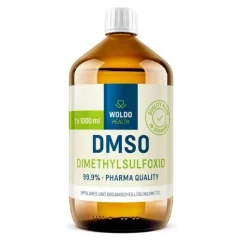
DMSO Woldo 1000ml
In stock
80 € 80 EUR (8 €/100 ml)

100% Beef Collagen Woldo 500g
In stock
26,81 € 26.81 EUR