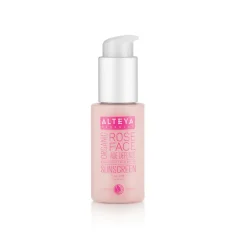
Sunscreen SPF30 Alteya Organics 50 ml
In stock
15 € 15 EUR (30 €/100 ml)
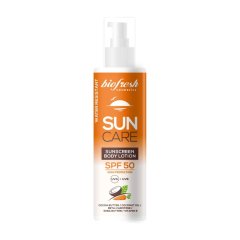
Sunscreen body lotion SPF 50 with pump Biofresh Sun Care 200ml
In stock
7,60 € 7.6 EUR 8,94 € (3,80 €/100 ml)
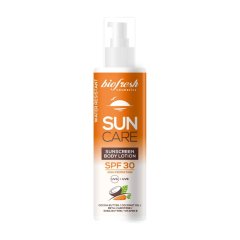
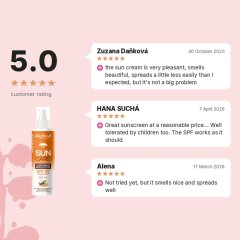
Sunscreen body lotion SPF 30 with pump Biofresh Sun Care 200ml
In stock
7,26 € 7.26 EUR 8,54 € (3,63 €/100 ml)
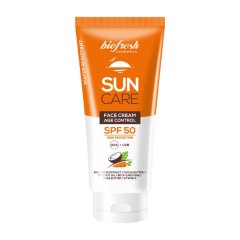
Sunscreen for face SPF 50 Biofresh Sun Care 50ml
In stock
5,77 € 5.77 EUR (11,54 €/100 ml)
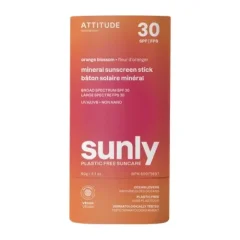
100% mineral protection bar for the whole body ATTITUDE (SPF 30) with the scent of Orange Blossom 60g
In stock
18,57 € 18.57 EUR

100% mineral protection bar for the whole body ATTITUDE (SPF 30) without fragrance 60g
In stock
18,57 € 18.57 EUR
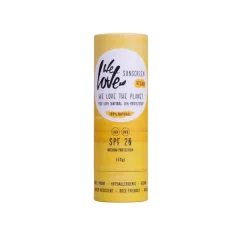
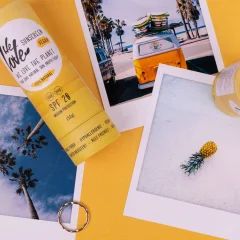
Natural sunscreen in a stick SPF20 We Love The Planet 50 g
Out of stock
16,67 € 16.67 EUR
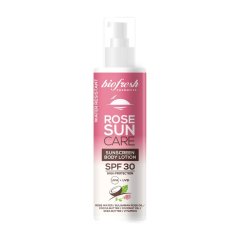
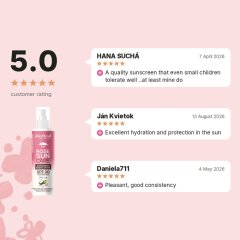
Sunscreen body lotion with pump SPF 30 Biofresh Sun Care 200ml
Out of stock
8,54 € 8.54 EUR (4,27 €/100 ml)
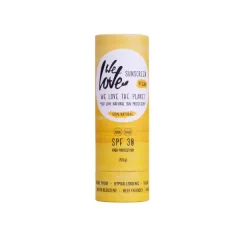
Natural sunscreen in a stick SPF30 We Love The Planet 50 g
Out of stock
18,33 € 18.33 EUR
Sunscreens are products designed to protect the skin from the harmful effects of UV radiation from the sun. UV radiation can cause a range of skin problems, including sunburn, premature aging and an increased risk of skin cancer. Sunscreens work by absorbing or reflecting the sun's rays to prevent them from penetrating the skin.
Sunscreens come in a range of SPF (Sun Protection Factor) values, which indicate the level of protection they provide against UVB rays, which are the main cause of sunburn. The SPF value refers to the time it takes for UVB rays to burn on protected skin compared to unprotected skin. For example, if a person usually gets sunburned after 10 minutes in the sun, an SPF 30 sunscreen would allow them to stay in the sun for up to 300 minutes (10 minutes x 30 SPF = 300 minutes) before burning.
Here are some common SPF values and their corresponding levels of protection:
SPF 15: Blocks approximately 93% of UVB rays
SPF 30: Blocks approximately 97% of UVB rays
SPF 50: Blocks approximately 98% of UVB rays
It is important to note that SPF only applies to protection against UVB rays, which are responsible for burning. It does not indicate protection against UVA rays, which can also cause skin damage and increase the risk of skin cancer. Look for a sunscreen that provides broad-spectrum protection, meaning it protects against both UVA and UVB rays. In addition, it is important to apply sunscreen correctly to ensure adequate protection. Experts recommend using a golf ball-sized amount of sunscreen all over your body, applying it at least 15 minutes before sun exposure and reapplying it every two hours or after swimming or sweating.
What is the difference between physical and chemical protection?
The primary difference between physical and chemical sunscreen protection is how it works to protect the skin from the sun's harmful UV rays.
- Physical protection
Sunscreen, also known as mineral sunscreen, contains ingredients like zinc oxide and titanium dioxide that sit on the skin's surface and reflect UV rays away from the skin. These ingredients create a physical barrier that blocks both UVA and UVB rays. Physical sunscreens are often recommended for people with sensitive skin or allergies because they are less likely to cause skin irritation.
- Chemical protection
Chemical sunscreen, on the other hand, contains ingredients like avobenzone and oxybenzone that absorb UV radiation and convert it into heat energy, which is then released from the skin. Chemical sunscreens work by penetrating the skin and absorbing UV radiation, making them effective against UVA rays. Chemical sunscreens are usually lighter and easier to apply than physical sunscreens, but they may not be as effective against UVB rays.
Both physical and chemical sunscreens have their pros and cons. Physical sunscreens provide immediate protection and are effective against both UVA and UVB rays, but they can be heavy and leave a white cast on the skin - which is not the case with Wooden Spoon sunscreens, which contain invisible zinc, which prevents them from leaving white spots. Chemical sunscreens can be more irritating to the skin and can take up to 20 minutes to work.
Ultimately, the best type of sunscreen depends on individual preferences and skin type. It is important to choose a broad-spectrum sunscreen that provides protection against both UVA and UVB rays and apply it correctly to ensure adequate protection.