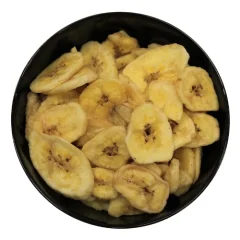

Banana slices with honey Emerosa
In stock
from 3,58 € 3.58 EUR
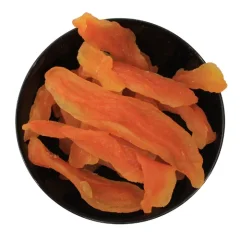

Dried yellow cantaloupe melon - slices Emerosa 250g
In stock
5,17 € 5.17 EUR


Dried hibiscus flower Emerosa 250g
In stock
3,57 € 3.57 EUR
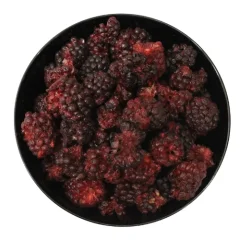

Lyophilized blackberries whole Emerosa
In stock
from 4,16 € 4.16 EUR

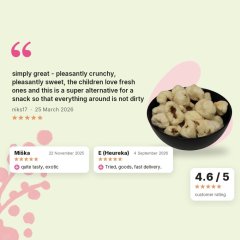
Lyophilized lychee whole Emerosa
In stock
from 5,83 € 5.83 EUR
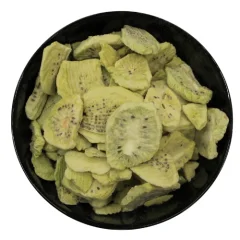
Lyophilized kiwi slices Emerosa
In stock
from 4,42 € 4.42 EUR
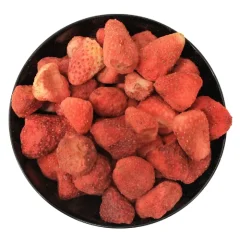

Whole lyophilized strawberries Emerosa
In stock
3,48 € 3.48 EUR



Lyophilized dragon fruit Emerosa
In stock
from 3,50 € 3.5 EUR
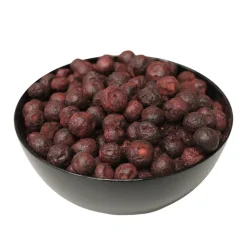

Whole lyophilized blueberries Emerosa
In stock
from 4,16 € 4.16 EUR
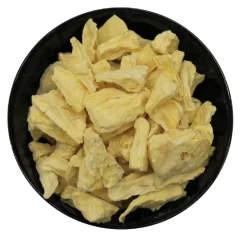
Freeze-dried pineapple pieces Emerosa
In stock
from 4,16 € 4.16 EUR
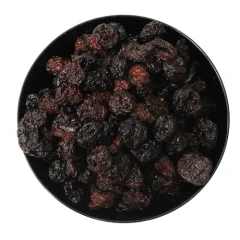

Dried cherries without added sugar and preservatives Emerosa
In stock
from 18,08 € 18.08 EUR

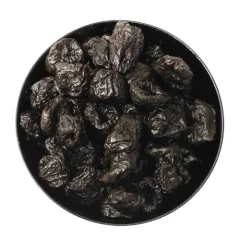

Dried plum without stone Emerosa
In stock
from 4,83 € 4.83 EUR
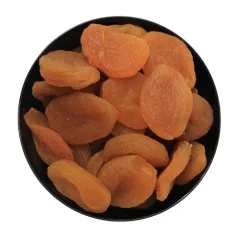
Dried apricot slices Emerosa
In stock
from 9,27 € 9.27 EUR

Dried mango slices Emerosa
In stock
from 1,66 € 1.66 EUR
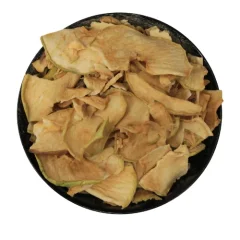
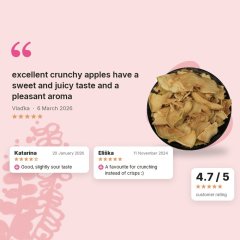
Emerosa dried cored apples
In stock
from 5,32 € 5.32 EUR
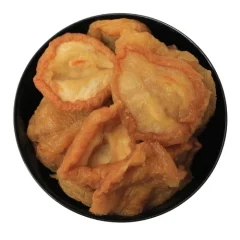

Dried pear slices natural Emerosa
In stock
from 6 € 6 EUR
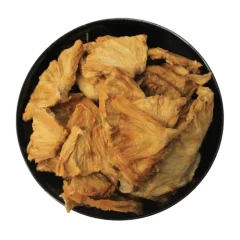

Dried pineapple pieces without added sugar and SO2 Emerosa
In stock
from 11,76 € 11.76 EUR
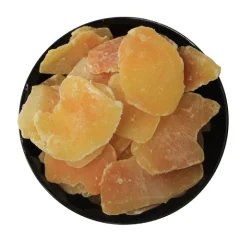
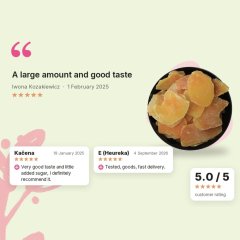
Dried papaya slices Emerosa
In stock
from 7,50 € 7.5 EUR
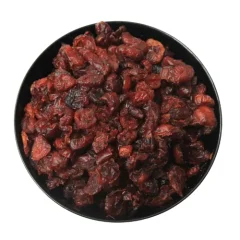

Whole dried cranberries Emerosa
In stock
from 5,04 € 5.04 EUR

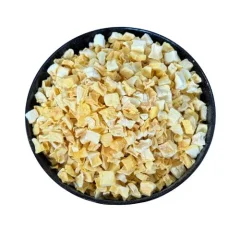

Mango freeze-dried pieces Emerosa
Out of stock
from 2,64 € 2.64 EUR 3,30 €
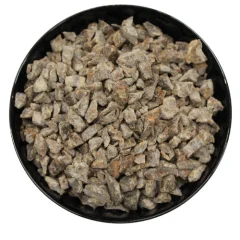

Dried banana cubes natural Emerosa
Out of stock
from 4,50 € 4.5 EUR
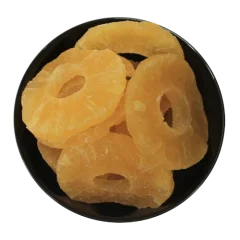

Dried pineapple rings Emerosa
Out of stock
from 8,33 € 8.33 EUR
There are many types of dried fruit, including raisins, prunes, apricots, apples, bananas, and more. Each species has its own distinctive taste and nutritional profile.
Where can dried fruit be used?
Dried fruit is widely used in the preparation of dishes. It can be added to muesli, yogurts, pastries, cereals, smoothies or eaten alone. Dried fruit is convenient as a snack because it is easily portable, resistant to damage and does not require refrigeration.
Due to the higher content of sugars and calories, dried fruit can provide a quick dose of energy, which is beneficial before training or after physical activity. Freeze-dried (freeze-dried) fruit is becoming a popular alternative.
What is the difference between dried and freeze-dried fruit?
The difference lies in the processing process, the resulting texture, taste and nutrient content. Here are the main differences:
- Dried fruit: Fruit drying is usually done using heat, where the fruit is dried in the sun, in an oven or in special dryers. This process takes several hours to days and reduces the water content of the fruit to approximately 10-20%.
- Freeze-dried fruit: Freeze-drying, also known as freeze-drying, is a process in which the fruit is first frozen to a very low temperature and then the water is removed under low-pressure conditions. This process takes several hours and reduces the water content of the fruit to less than 5%.
Dried fruit often has a chewy and soft texture that results from residual water content and sugar concentration. Freeze-dried fruit has a crispy and crunchy texture because almost all the water has been removed and the fruit has retained its original structure. Freeze-dried fruit better preserves its nutrient content, including vitamins and antioxidants, because the low-temperature freezing and drying process minimizes nutrient loss.